When Tourism Helps Protect Fragile Places
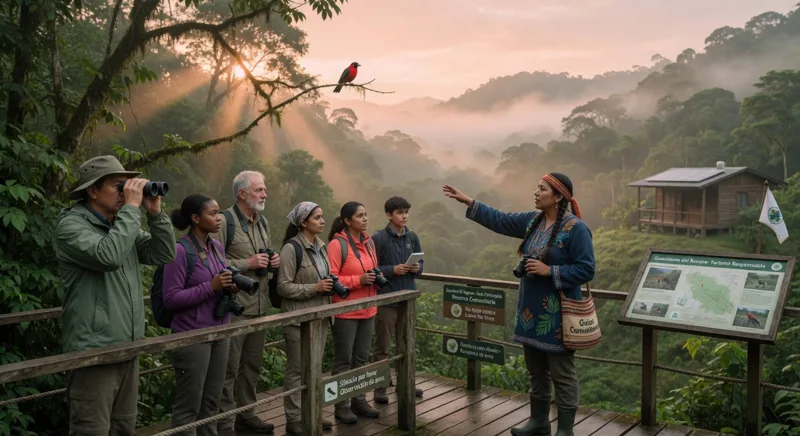
When tourism helps protect fragile places, travel becomes more than sightseeing. Carefully managed visitors can fund conservation, support local livelihoods, and build appreciation for vulnerable ecosystems and cultural heritage—provided tourism stays within the destination’s limits.
How Tourism Can Support Conservation
Protected areas, historic sites, wetlands, coral reefs, and remote communities often need steady funding for rangers, restoration, research, waste management, and visitor facilities. Tourism can provide that income through entrance fees, permits, guide services, conservation charges, and locally owned businesses.
The connection is simple: visitors value a healthy forest, intact archaeological site, or thriving marine ecosystem, and part of their spending can help maintain it. UNESCO describes sustainable tourism as a model that integrates destination planning, heritage management, stakeholder cooperation, and local community participation.[4]
Tourism revenue can help pay for:
- Wildlife protection and anti-poaching patrols
- Habitat restoration and reforestation
- Historic building repairs and archaeological conservation
- Trail maintenance, sanitation, and waste removal
- Environmental monitoring and scientific research
- Education programs for residents and visitors
When Tourism Helps Protect Fragile Places Most
Tourism is most beneficial when it is planned around conservation rather than treated as unlimited economic growth. A destination needs clear rules, reliable funding, and local involvement before visitor numbers increase.
1. Visitors Stay Within the Site’s Carrying Capacity
Carrying capacity means the number of people a destination can receive without causing unacceptable environmental, cultural, social, or visitor-experience damage.[1] This is not a single universal number. A rainforest trail, ancient monument, glacier, and coral reef each have different limits.
Effective visitor management may include:
- Daily visitor caps and timed entry
- Advance reservations during peak seasons
- Seasonal closures during nesting or restoration periods
- Designated trails and viewing platforms
- Small-group or guided-tour requirements
- Limits on vehicles, boats, or overnight stays
These measures can protect sensitive places while preserving a meaningful visitor experience. UNESCO case studies show that restricted access, guided tours, and surveillance can reduce damage and unauthorized entry at fragile heritage sites.[2]
2. Conservation Fees Are Transparent and Well Managed
An entrance fee can support conservation, but only if visitors understand where the money goes and the funds are managed responsibly. The strongest systems publish financial information and connect fees to visible improvements such as restored habitats, trained rangers, or repaired cultural sites.
Revenue should ideally be distributed among several priorities:
- Direct conservation and site management
- Local employment and community development
- Scientific monitoring and climate resilience
- Visitor safety, interpretation, and low-impact infrastructure
If most tourism income leaves the destination, local residents may see little reason to support conservation. Fair benefit sharing is therefore central to responsible tourism.
3. Local Communities Have a Meaningful Role
People who live near fragile places often hold valuable ecological knowledge and cultural traditions. They also experience the effects of overcrowding, rising prices, restricted access, and environmental change more directly than visitors do.
Community-based tourism can create income through local guiding, homestays, crafts, food services, transport, and conservation employment. When residents help make decisions and receive fair benefits, tourism is more likely to strengthen long-term stewardship. UNESCO similarly emphasizes broad stakeholder participation and community empowerment in sustainable tourism planning.[4]
Responsible Tourism Versus Mass Tourism
Not all tourism benefits fragile destinations. Unplanned growth can damage ecosystems, displace residents, strain water supplies, increase pollution, and weaken cultural identity. UNESCO warns that poorly managed tourism can be socially, culturally, and economically disruptive, with serious effects on fragile environments and heritage.[3]
| Responsible tourism | Unmanaged mass tourism |
|---|---|
| Controls visitor numbers | Prioritizes volume and constant growth |
| Supports locally owned businesses | Allows profits to leave the destination |
| Funds conservation | Externalizes environmental costs |
| Respects local culture and access | Encourages cultural commodification |
| Uses low-impact infrastructure | Creates congestion, waste, and habitat pressure |
What Travelers Can Do
Visitors are part of the conservation system. Small decisions can reduce pressure and direct more money toward local protection.
- Choose licensed local guides and locally owned accommodation.
- Visit during less crowded seasons when appropriate.
- Follow access restrictions, wildlife distances, and photography rules.
- Avoid removing natural or cultural objects.
- Carry reusable items and minimize waste.
- Respect community customs, sacred places, and resident access.
- Pay required conservation or park fees.
- Support businesses that demonstrate responsible environmental practices.
Responsible travel is not about avoiding every popular destination. It is about understanding how a place is managed and choosing behavior that keeps it healthy for residents, wildlife, and future visitors.
A Better Future for Fragile Destinations
When tourism helps protect fragile places, conservation comes first. Visitor numbers are measured, sensitive areas are protected, local communities share decision-making and income, and tourism revenue is directed toward long-term environmental and cultural care.
The goal is not simply more travelers. It is better-managed travel that leaves a destination resilient rather than depleted. In the right conditions, tourism can turn appreciation into funding, local pride into stewardship, and a visit into a practical contribution to preservation.
You May Also Like
 Travel
Citizen Science Trips That Welcome Travelers
 Travel
How to Choose Responsible Nature Experiences
 Travel
Building a Contingency Plan for Remote Travel