Stargazing in Places With Almost No Light Pollution
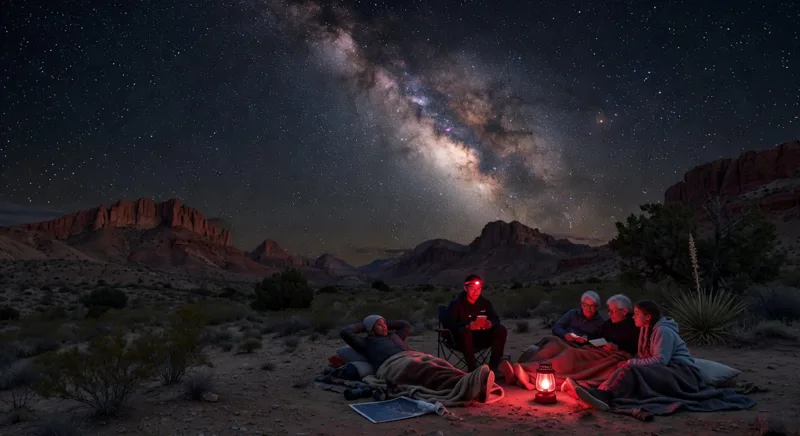
Stargazing in places with almost no light pollution feels like discovering a second sky. Far from city glow, the Milky Way becomes a bright, textured band, thousands of stars appear overhead, and meteor showers can transform an ordinary night into an unforgettable experience.
What Makes a Place Great for Stargazing?
The best stargazing destinations combine natural darkness with clear, dry air and a wide, unobstructed horizon. Distance from cities is helpful, but it is not the only factor. High elevation, low humidity, limited traffic, and careful outdoor lighting can all improve visibility.
A useful guide is the Bortle Dark-Sky Scale, which ranks night skies from Class 1, the darkest, to Class 9, the brightest urban sky. In the darkest locations, the Milky Way is obvious to the unaided eye, and faint objects such as the Andromeda Galaxy may be visible without a telescope.
Official designations can also help. DarkSky International recognizes dark-sky parks, reserves, sanctuaries, communities, and other locations that protect nighttime darkness. These sites often provide marked viewing areas, astronomy programs, and guidance for responsible visitors.
Best Places With Almost No Light Pollution
Big Bend National Park, Texas
Big Bend is famous for exceptionally dark skies, dry desert air, and broad horizons. The surrounding Greater Big Bend International Dark Sky Reserve covers a vast region across southwestern Texas and northern Mexico, making it one of North America’s standout areas for Milky Way viewing.
Visit on a moonless night and allow your eyes at least 20 to 30 minutes to adjust. Ranger-led programs and nearby observatory experiences can add context to an already spectacular view.
Death Valley National Park, California
Death Valley’s extremely dry climate and limited nearby development create excellent conditions for astronomy. The park is recognized as a Gold Tier dark-sky destination, a category associated with some of the darkest accessible skies.
Winter and spring are often more comfortable than the hottest months. Always bring extra water, warm layers for nighttime, and a reliable navigation plan because temperatures and conditions can change quickly.
Utah’s Dark-Sky Parks
Utah offers an unusually rich collection of dark-sky destinations, including Arches, Bryce Canyon, Canyonlands, Capitol Reef, and Zion. Red-rock landscapes add a dramatic foreground for night photography, while high desert air often delivers crisp views.
- Bryce Canyon: Known for astronomy programs and an impressive view of the Milky Way above the hoodoos.
- Canyonlands: Offers expansive horizons and very little artificial light.
- Natural Bridges: The world’s first International Dark-Sky Park, with exceptionally dark skies.
- Capitol Reef: Combines quiet viewing areas with striking geological scenery.
Cherry Springs State Park, Pennsylvania
For travelers in the eastern United States, Cherry Springs State Park is one of the best places to stargaze without traveling to the desert Southwest. Its dark skies are protected within Susquehannock State Forest, and the park hosts astronomy events and guided night-sky programs.
Because darkness is limited in the more populated East, reserve a viewing area in advance when possible and check the park’s rules about red lights, camping, and equipment.
Aoraki Mackenzie, New Zealand
The Aoraki Mackenzie International Dark Sky Reserve is a premier Southern Hemisphere destination. Its clear skies offer views of constellations that are difficult or impossible to see from northern latitudes, including the Southern Cross and the Magellanic Clouds.
The region’s high elevation, low humidity, and protected lighting make it particularly appealing for both naked-eye observing and astrophotography.
How to Plan a Dark-Sky Stargazing Trip
- Check the moon phase: A new moon produces the darkest conditions, while a bright moon can wash out faint stars.
- Review the weather: Clouds, haze, smoke, and humidity can ruin visibility even at a remote location.
- Arrive before sunset: This gives you time to find a safe parking area and learn the surroundings.
- Protect your night vision: Use a dim red flashlight instead of white light.
- Dress in layers: Desert and mountain temperatures can fall sharply after dark.
- Bring essentials: Water, snacks, a chair or blanket, binoculars, a phone charger, and offline maps are useful.
Do You Need a Telescope?
No. Some of the most rewarding observations require nothing more than your eyes. Start with the Milky Way, major constellations, bright planets, and meteor activity. Binoculars are an affordable next step because they reveal star clusters, lunar craters, and brighter deep-sky objects while remaining easy to use.
A telescope can provide more detail, but it also requires transportation, setup, and practice. Beginners often benefit from joining a local astronomy club or attending a public observing event before buying equipment.
Best Time for Stargazing
The best season depends on your destination and goals. Summer often provides comfortable evenings and a prominent Milky Way, while winter can bring exceptionally clear air and bright constellations. Meteor showers occur throughout the year, with the Perseids and Geminids among the most popular annual events.
For astrophotography, research when the Milky Way’s bright center is visible at your chosen latitude. A dark sky, stable tripod, manual camera settings, and a wide-angle lens can produce impressive results without professional equipment.
Practice Responsible Dark-Sky Travel
Dark skies are a fragile natural resource. Use established campsites, keep artificial light pointed downward, avoid shining lasers toward the sky, and follow local fire and wildlife rules. Leave no trace, keep noise low, and remember that other visitors may be protecting their night vision.
Stargazing in places with almost no light pollution is more than a scenic activity—it is a chance to reconnect with the natural world. Choose a genuinely dark destination, plan around the moon and weather, give your eyes time to adjust, and look up. The universe is far more visible when the lights go out.
References
You May Also Like
 Travel
When Tourism Helps Protect Fragile Places
 Travel
Citizen Science Trips That Welcome Travelers
 Travel
How to Choose Responsible Nature Experiences