Building a Contingency Plan for Remote Travel
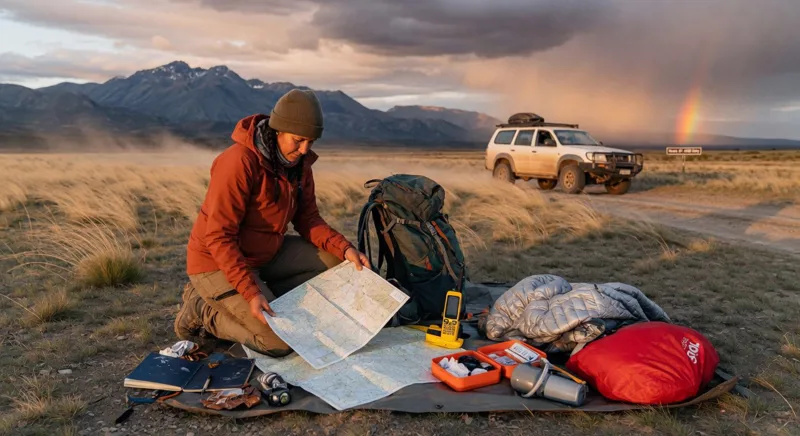
Building a contingency plan for remote travel turns uncertainty into confidence. Whether you are hiking beyond cell coverage, driving through a desert, or visiting an isolated village, a practical emergency plan can help you respond to injury, extreme weather, vehicle trouble, lost documents, and unexpected delays.
Start With a Remote Travel Risk Assessment
Before packing, identify the risks associated with your destination, route, season, transportation, and activities. Remote travel risks can vary dramatically between a mountain trek, wilderness road trip, offshore excursion, and international adventure.
- Medical access: How far is the nearest clinic, hospital, or evacuation point?
- Communication: Will your phone work, or will you need a satellite messenger?
- Weather: Could storms, heat, flooding, snow, or high winds block your route?
- Transportation: What happens if your vehicle breaks down or a ferry, flight, or bus is canceled?
- Personal factors: Do allergies, prescriptions, mobility needs, or chronic conditions require extra planning?
Consider both the likelihood and consequence of each problem. A minor delay may be manageable, while a serious injury in an area without road access requires a much more detailed response.
Create a Written Emergency Travel Plan
A written plan is easier to follow under stress than a collection of vague assumptions. Share it with a trusted person at home and include enough detail for someone to understand your movements.
- List your planned route, destinations, campsites, lodging, and transportation details.
- Record expected departure and arrival times for each major travel segment.
- Identify alternative routes, shelter locations, fuel stops, and medical facilities.
- Set scheduled check-ins, such as a text message every evening or a satellite check-in at a planned waypoint.
- Explain what your contact should do if you miss a check-in.
Include your full name, emergency contacts, vehicle information, passport details, insurance information, allergies, medications, and relevant medical conditions. Keep digital and printed copies in separate locations.
Build a Reliable Communication System
Remote travel often means unreliable or nonexistent cellular service. A charged phone is useful, but it should not be your only emergency communication device.
Use Multiple Communication Options
- Carry a fully charged phone with offline maps and downloaded emergency contacts.
- Bring a power bank, vehicle charger, and suitable charging cables.
- Use a satellite messenger or satellite phone when traveling beyond reliable cell coverage.
- Carry a whistle, signal mirror, headlamp, and high-visibility clothing.
- Learn local emergency numbers and understand how to contact park rangers, coast guards, or rescue services.
Test every device before departure. Confirm that satellite equipment has an active plan, clear sky visibility, and enough battery capacity for the entire journey. Practice sending a location message so you are not learning during an emergency.
Pack a Remote Travel Emergency Kit
Your emergency kit should match the environment and the distance from help. A basic first-aid pouch may not be enough for a multi-day wilderness trip.
- First-aid supplies, blister treatment, wound dressings, antiseptic, and medical tape
- Prescription medication, spare glasses, and a copy of important prescriptions
- Water purification tablets or a reliable filtration system
- Extra food with a long shelf life
- Insulating layers, rain protection, gloves, and emergency shelter
- Headlamp with spare batteries
- Navigation tools, including a physical map, compass, and offline GPS maps
- Multitool, repair tape, cord, lighter, and waterproof matches
- Emergency blanket and signaling equipment
Plan for at least one additional day of food, water, warmth, and medication beyond your expected schedule. Delays caused by weather or mechanical problems are common reasons travelers need their emergency supplies.
Review Travel Insurance and Evacuation Coverage
Standard health insurance may not cover treatment abroad, remote rescue, or transportation to a suitable hospital. Travel health insurance, trip disruption insurance, and medical evacuation insurance address different risks, so read the policy wording carefully.[1][2]
For remote destinations, check whether the policy covers helicopter rescue, search and rescue, repatriation, adventure activities, preexisting conditions, and itinerary changes caused by emergencies. Some policies also require travelers to contact a 24-hour assistance center before arranging treatment or evacuation.
Medical evacuation from an isolated location can cost more than $100,000, making coverage limits and exclusions especially important.[2][4] Carry your policy number, emergency assistance telephone number, and claim instructions offline. Keep receipts and medical records if you need care during the trip.[1]
Prepare for Common Contingencies
| Problem | Immediate response | Preventive preparation |
|---|---|---|
| Injury or illness | Provide first aid, assess evacuation needs, and contact assistance. | Carry medical supplies, medications, and evacuation coverage. |
| Vehicle breakdown | Move to a safe location, conserve water, and signal for help. | Inspect the vehicle and pack tools, spare tires, fuel, and recovery equipment. |
| Severe weather | Shelter early and avoid exposed terrain, floodwater, or unstable roads. | Check forecasts and identify backup routes and shelters. |
| Lost navigation | Stop moving, retrace confirmed landmarks, and transmit your location. | Carry a physical map, compass, and offline navigation data. |
| Delayed return | Notify your emergency contact and update your itinerary. | Pack extra supplies and establish clear check-in rules. |
Review the Plan Before Departure
Complete a final check 24 to 48 hours before leaving. Confirm weather, road conditions, park closures, local alerts, fuel availability, communication coverage, and medical access. Reassess the trip if conditions have changed significantly.
Leave copies of your itinerary and important documents with someone at home, and make sure that person knows how to reach you during the journey.[3][5] For international travel, identify the nearest embassy or consulate and understand how it can assist during a serious emergency.[3]
Conclusion
Building a contingency plan for remote travel is not about expecting disaster; it is about reducing avoidable risk. Combine route research, backup communication, emergency supplies, realistic check-ins, and appropriate travel insurance. With a clear plan and enough time to adapt, remote travel becomes safer, calmer, and far more enjoyable.
References
You May Also Like
 Travel
When Tourism Helps Protect Fragile Places
 Travel
Citizen Science Trips That Welcome Travelers
 Travel
How to Choose Responsible Nature Experiences