What Makes Arctic Travel So Different?
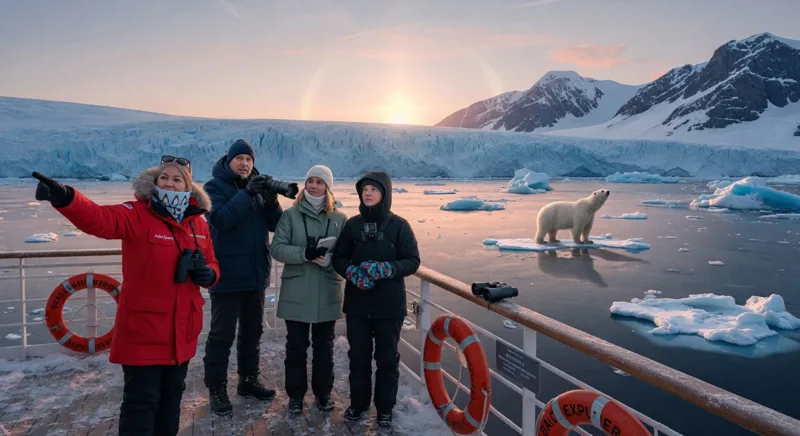
What makes Arctic travel so different is the combination of extreme landscapes, remote communities, unpredictable weather, unusual daylight, and close encounters with wildlife. An Arctic trip is less like a conventional vacation and more like a carefully planned expedition into one of Earth’s most fragile environments.
The Arctic Is More Than a Destination
The Arctic spans a vast region that includes northern Canada, Greenland, Iceland, Svalbard, Alaska, Scandinavia, and Russia. Each area offers a different experience, from dog sledding and northern lights tours to Arctic cruises, whale watching, glacier walks, and polar bear safaris.
Unlike a typical city break or beach holiday, Arctic travel depends heavily on nature. Sea ice, wind, wildlife movements, tides, and visibility can all influence your daily schedule. A planned landing may change at short notice, but that flexibility is part of the adventure.
Extreme Weather Changes How You Travel
Arctic weather can shift quickly, even during the main travel season. Summer temperatures are often more manageable than many travelers expect, but strong winds, rain, fog, and cold water can still create difficult conditions.
Preparation matters more than packing a large suitcase. Most visitors need a layered clothing system that includes:
- A moisture-wicking base layer
- An insulating fleece or down layer
- A waterproof and windproof outer shell
- Warm, waterproof boots with good grip
- Insulated gloves, a hat, and neck protection
- Sunglasses and sunscreen for glare from snow and ice
Waterproof bags are also useful for protecting cameras, phones, and batteries from spray, snow, and condensation. In remote regions, replacing damaged equipment may be impossible until the trip ends.
Daylight Can Feel Completely Unfamiliar
One of the biggest differences between Arctic travel and ordinary tourism is the light. During summer, areas above the Arctic Circle can experience the midnight sun, with daylight lasting around the clock for weeks or even months.
This creates extraordinary conditions for photography, hiking, and wildlife viewing. However, constant daylight can make it difficult to sleep. An eye mask, a consistent bedtime routine, and accommodation with effective blackout curtains can make a noticeable difference.
Winter offers the opposite experience. Short days and long periods of darkness create better conditions for northern lights viewing, but outdoor activities may be limited by snow, wind, and low temperatures. Travelers must choose between summer wildlife experiences and winter aurora adventures based on their priorities.
Wildlife Encounters Require Patience and Distance
Arctic wildlife is one of the main reasons people plan an Arctic vacation. Depending on the region and season, visitors may see polar bears, walruses, seals, reindeer, Arctic foxes, whales, and enormous colonies of seabirds.
Wildlife sightings are never guaranteed. Animals move according to food availability, sea ice, weather, and natural behavior. A responsible guide will never chase or bait animals to create a better photograph.
Visitors should follow strict wildlife etiquette:
- Keep the distance instructed by guides.
- Never touch, feed, or follow wild animals.
- Remain quiet during close encounters.
- Do not leave food or waste behind.
- Follow local rules concerning polar bears and other dangerous species.
The best Arctic experiences often come from waiting calmly rather than searching aggressively. A seal surfacing beside a boat or a whale appearing through the mist can be more memorable than any scheduled attraction.
Remote Logistics Make Arctic Cruises Different
Many travelers explore the region on an Arctic expedition cruise because ships provide access to remote coastlines that are difficult to reach independently. These vessels often use smaller landing boats, allowing guests to visit beaches, fjords, historic sites, and wildlife areas.
Expedition cruises are different from conventional cruises in several ways:
| Arctic expedition travel | Traditional cruise travel |
|---|---|
| Flexible schedules shaped by weather and ice | Fixed port schedules |
| Small-boat landings and guided walks | Large terminals and organized excursions |
| Wildlife and landscape are central attractions | Entertainment and onboard amenities often dominate |
| Limited services in remote locations | Frequent access to shops, transport, and medical facilities |
Travel insurance deserves particular attention. Policies should be checked for expedition cruising, emergency evacuation, medical treatment, weather-related disruption, and missed connections. In remote destinations, evacuation can be complex and expensive.
Local Culture Is Part of the Journey
The Arctic is not an empty wilderness. Indigenous peoples and northern communities have deep cultural, historical, and economic connections to the land and sea.
Responsible travelers learn about local customs, support community-led experiences, and ask permission before photographing people or private spaces. Visiting a settlement should not feel like observing a museum exhibit; it should be an opportunity to listen and understand the region through local perspectives.
Sustainability Is Essential in the Arctic
Arctic environments recover slowly, and many areas have limited waste-management facilities. Small choices therefore matter. Travelers can reduce their impact by carrying reusable bottles, avoiding unnecessary packaging, staying on designated routes, and taking all waste back with them when required.
Boot-cleaning procedures are also common on polar journeys because soil, seeds, and microorganisms can be transported between landing sites. Following these simple rules helps protect fragile vegetation and wildlife habitats.
How to Prepare for an Arctic Trip
- Choose the season based on your goals, such as wildlife, hiking, or the northern lights.
- Research the destination’s weather, daylight, and accessibility.
- Pack waterproof layers rather than relying on one heavy coat.
- Review travel insurance and evacuation coverage carefully.
- Prepare for schedule changes and limited internet access.
- Follow guides, local authorities, and environmental regulations.
The Real Meaning of Arctic Travel
What makes Arctic travel so different is its ability to remove the usual barriers between traveler and environment. There are fewer conveniences, fewer guarantees, and fewer distractions. In their place are immense silence, dramatic light, ancient ice, remarkable wildlife, and a deeper awareness of how delicate the planet can be.
With suitable clothing, realistic expectations, comprehensive insurance, and respect for local communities and nature, an Arctic journey can become far more than a holiday. It can be an unforgettable lesson in patience, resilience, and the extraordinary power of the natural world.
You May Also Like
 Travel
When Tourism Helps Protect Fragile Places
 Travel
Citizen Science Trips That Welcome Travelers
 Travel
How to Choose Responsible Nature Experiences