Travel Insurance for Outdoor Activities Explained
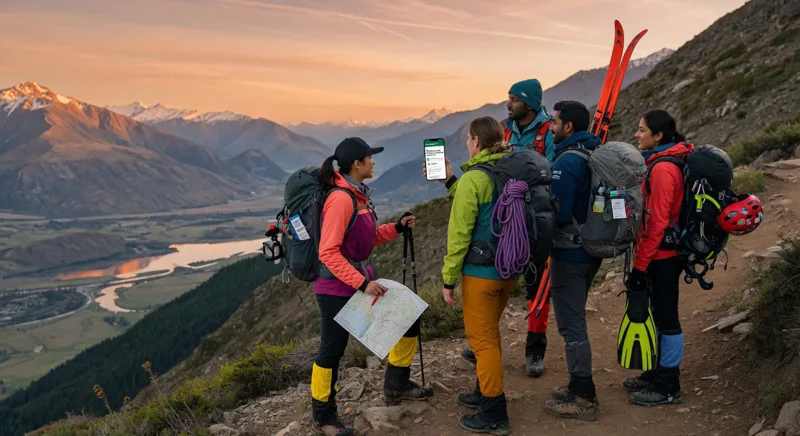
Planning a hiking trip, ski holiday, scuba-diving escape, or remote adventure? Travel insurance for outdoor activities explained means understanding what your policy covers, which sports are excluded, and when you may need specialist adventure travel insurance.
Why Standard Travel Insurance May Not Be Enough
Many standard travel insurance policies cover common travel problems such as trip cancellation, lost baggage, travel delays, and emergency medical treatment. However, coverage can change when an injury happens during a sports or adventure activity.
Activities such as scuba diving, hang gliding, skiing, snowboarding, jet skiing, and skydiving may be excluded or covered only through an optional sports add-on. Government travel guidance recommends checking that your policy covers every activity planned during the trip, including medical care, repatriation, and evacuation costs.[2][3]
The important detail is not simply whether an activity appears on a provider’s website. The policy wording may also impose conditions involving altitude, depth, supervision, equipment, certification, marked trails, or competition.
What Does Outdoor Activity Travel Insurance Cover?
Coverage varies by insurer and destination, but a suitable policy may include the following benefits:
- Emergency medical expenses: Treatment for an unexpected illness or injury overseas.
- Emergency medical evacuation: Transportation to an appropriate medical facility when local care is unavailable or inadequate.
- Repatriation: Assistance returning home after a serious injury or medical emergency.
- Trip cancellation: Reimbursement for eligible prepaid costs when a covered event prevents travel.
- Trip interruption: Help with unused arrangements and additional transportation after a qualifying emergency.
- Baggage and equipment protection: Coverage for lost, stolen, or damaged belongings, subject to limits and exclusions.
- Mountain rescue or search expenses: Potentially valuable for hiking, skiing, mountaineering, and remote travel.
Medical evacuation is especially relevant when traveling to isolated locations where hospitals are far away or medical facilities cannot provide appropriate treatment.[1][2]
Which Outdoor Activities Need Extra Coverage?
Insurers classify activities differently, so there is no universal list. A low-risk activity for one provider may be a hazardous sport for another. Always search the policy documents for the exact activity and its conditions.
| Activity | Common coverage concerns |
|---|---|
| Hiking and trekking | Altitude limits, remote routes, solo travel, and technical terrain |
| Skiing and snowboarding | Off-piste skiing, racing, terrain parks, and helicopter-accessed areas |
| Scuba diving | Maximum depth, certification, dive supervision, and medical clearance |
| Climbing and mountaineering | Rope use, expedition routes, altitude, professional guiding, and rescue costs |
| Kayaking and rafting | Whitewater grades, organized competition, and operator requirements |
| Skydiving and bungee jumping | Often excluded from standard policies and may require specialist cover |
Some policies cover guided hiking, kayaking, zip-lining, or snow sports only when participants follow safety rules and use approved operators. High-risk activities, competitive sports, and participation outside marked or designated areas are frequently excluded.[3][4][6][7]
Common Exclusions to Check Carefully
Reading the exclusions section can prevent unpleasant surprises during a claim. Common limitations include:
- Participating in professional, paid, or competitive sports
- Ignoring local safety instructions or operator guidance
- Taking part in an activity while intoxicated
- Using unlicensed guides or unauthorized equipment
- Traveling against medical advice
- Pre-existing medical conditions that were not disclosed
- Off-piste skiing or snowboarding
- Unsupervised or solo diving
- Climbing above a stated altitude limit
- Traveling to destinations subject to relevant government warnings
For example, some adventure policies limit scuba diving by depth or require a qualified dive master. Others exclude cave diving, free diving, high-altitude climbing, BASE jumping, or racing altogether.[4][5]
How to Choose Travel Insurance for Adventure Activities
- List every planned activity. Include activities that may be booked after arrival, such as a canyoning tour or a last-minute ski excursion.
- Check the exact policy definition. Look for activity names, altitude and depth limits, supervision requirements, and equipment rules.
- Review medical and evacuation limits. Remote rescues, air ambulances, and repatriation can be expensive.
- Disclose pre-existing conditions. An undeclared condition may affect medical claims.
- Confirm destination eligibility. Some policies restrict high-risk regions or travel against official advice.
- Check gear protection separately. Expensive bicycles, cameras, skis, and diving equipment may exceed standard baggage limits.
- Save documentation. Keep receipts, medical reports, booking confirmations, police reports, and proof of activity certification.
Specialist Adventure Travel Insurance vs. Standard Coverage
Standard travel insurance may be suitable for sightseeing with occasional low-risk activities. Specialist adventure travel insurance is more appropriate when the trip centers on mountaineering, remote trekking, diving, skiing, extreme sports, or multiple outdoor activities.
The right choice depends on the activity, destination, trip length, medical history, and equipment involved. A policy with a higher price is not automatically better; the key is whether its definitions match the trip precisely.
Final Checklist Before Departure
- Confirm every planned activity is covered.
- Check altitude, depth, terrain, and supervision restrictions.
- Verify emergency medical evacuation and repatriation benefits.
- Review pre-existing medical condition requirements.
- Check baggage limits for specialist sports equipment.
- Carry your policy number and emergency assistance details.
- Follow local laws, operator instructions, and recognized safety standards.
Travel insurance for outdoor activities explained simply: coverage depends less on the word “adventure” and more on the policy’s detailed definitions. Match the policy to the exact activity, location, and level of risk before departure, and pay particular attention to medical evacuation, exclusions, and safety conditions. That preparation can make an adventurous trip far less stressful when something unexpected happens.
References
You May Also Like
 Travel
When Tourism Helps Protect Fragile Places
 Travel
Citizen Science Trips That Welcome Travelers
 Travel
How to Choose Responsible Nature Experiences