How to Evaluate Adventure Tour Operators
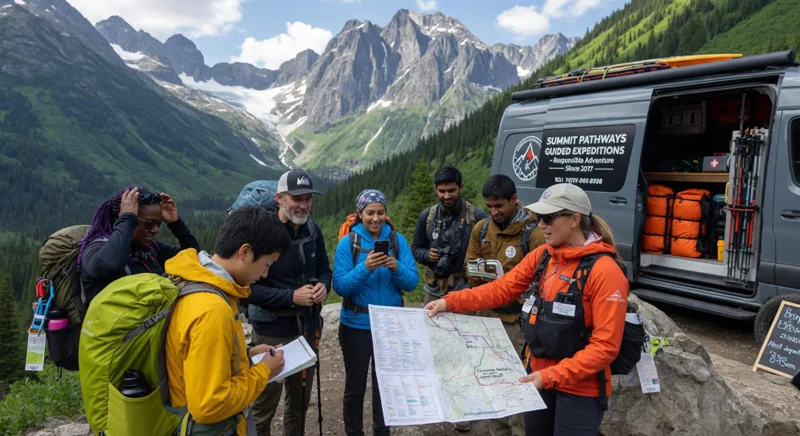
Choosing the right adventure tour operator can shape your entire trip, from safety and comfort to the quality of every experience. Learning how to evaluate adventure tour operators helps you compare credentials, guides, itineraries, pricing, insurance, and responsible travel practices with confidence.
Start With Safety, Experience, and Credentials
Safety should be your first filter—not an afterthought. A reputable operator should clearly explain its safety procedures, emergency plans, guide qualifications, equipment standards, and participant requirements.
Look for evidence of:
- Experienced, properly trained guides
- First-aid, wilderness medicine, or technical certifications
- Regular equipment inspections and replacement schedules
- Clear emergency evacuation and communication procedures
- Appropriate guide-to-guest ratios
- Permits, licenses, and local operating approvals
Ask how the company handles severe weather, injuries, lost participants, canceled departures, and changes in river, trail, or mountain conditions. Vague answers may indicate weak preparation.
Check the Operator’s Adventure Travel Experience
Years in business matter, but relevant experience matters more. A company that specializes in guided hiking may not have the expertise required for technical mountaineering, whitewater rafting, scuba diving, canyoning, or high-altitude trekking.
Match the operator’s background to your activity. For example, ask whether guides regularly lead the exact route and whether the company has experience with your group’s age range, fitness level, and skill requirements.
Evaluate the Guides
Guides influence both safety and enjoyment. They should be able to explain route difficulty, hazards, weather patterns, equipment use, and contingency plans in clear language.
For technical activities, ask whether guides hold recognized qualifications for that discipline. A professional-looking website is not a substitute for trained staff and practical experience.
Read the Itinerary Carefully
Adventure tour itineraries often sound more relaxed than they really are. Review the schedule line by line and look for details about walking distance, elevation gain, travel time, rest days, water crossings, accommodation, meals, and transportation.
Pay particular attention to:
- Daily activity duration and difficulty ratings
- Altitude and acclimatization plans
- Terrain, weather, and seasonal conditions
- Required fitness, skills, and previous experience
- Optional activities and rest-day arrangements
- What happens if you cannot complete an activity
Difficulty labels are not standardized. A “moderate” trek with steep terrain and heavy heat may feel much harder than a moderate hike in cool conditions. Ask for objective information instead of relying only on marketing descriptions.
Compare the Total Tour Cost
Adventure tour prices can be difficult to compare because inclusions vary. One operator may include airport transfers, park fees, meals, equipment, accommodation, and permits, while another may charge separately for each item.
Create a simple comparison that includes:
- Base tour price
- Taxes, permits, and park fees
- Transportation and airport transfers
- Accommodation and meals
- Equipment rental or deposits
- Guide gratuities and optional excursions
- Single-room or solo-traveler supplements
The cheapest adventure tour is not always the best value. Extremely low pricing may reflect overcrowded groups, older equipment, limited local support, or exclusions that appear later in the booking process.
Review Cancellation Terms and Financial Protection
Before paying a deposit, read the cancellation policy carefully. Find out how much is refundable, when the final payment is due, and what happens if the operator cancels because of weather, political disruption, insufficient enrollment, or safety concerns.
Also check whether the company explains customer funds, supplier failures, and assistance during an emergency. Policies vary by country, so consider whether the operator is registered with relevant tourism authorities or industry organizations.
Verify Travel Insurance Coverage
Standard travel insurance may exclude activities such as mountaineering, scuba diving, whitewater rafting, skiing outside marked areas, climbing, or high-altitude trekking. Some insurers offer adventure sports upgrades, but coverage limits and exclusions differ widely.[1][2]
Confirm that your policy covers the specific activity, destination, altitude, equipment, and level of participation. Check medical evacuation, trip cancellation, interruption, baggage, and liability provisions. Never assume that a general policy covers every activity described as “adventure travel.”
Look for Authentic Reviews and Responsible Practices
Read recent reviews across several independent platforms. Focus on repeated comments about guide quality, safety communication, itinerary accuracy, equipment condition, group size, and how the company handled problems.
Responsible operators should also explain how they protect local communities and natural areas. Look for practical commitments such as local employment, small-group limits, waste reduction, wildlife guidelines, fair treatment of porters, and respect for cultural sites.
Ask These Questions Before Booking
- What qualifications and experience do the guides have?
- What is the maximum group size and guide-to-guest ratio?
- What safety equipment and emergency communication systems are provided?
- What fitness level and previous experience are required?
- Which costs are included, and what additional expenses should I expect?
- What happens if weather or local conditions change the itinerary?
- What are the cancellation, refund, and rescheduling rules?
- What insurance coverage does the operator carry?
Pay attention not only to the answers but also to how quickly and transparently the company responds. Clear communication before departure is a useful indicator of how support may work during the trip.
Final Checklist for Choosing an Adventure Tour Operator
A strong operator combines qualified guides, realistic itineraries, reliable equipment, transparent pricing, robust emergency planning, clear insurance information, and genuine respect for local communities. Compare several companies using the same checklist rather than choosing on price alone.
When you know how to evaluate adventure tour operators, you can select a trip that matches your abilities, budget, comfort level, and expectations. The goal is not to remove every element of risk—it is to choose a professional partner that manages risk responsibly while helping you enjoy the adventure.
You May Also Like
 Travel
When Tourism Helps Protect Fragile Places
 Travel
Citizen Science Trips That Welcome Travelers
 Travel
How to Choose Responsible Nature Experiences