How to Choose Responsible Nature Experiences
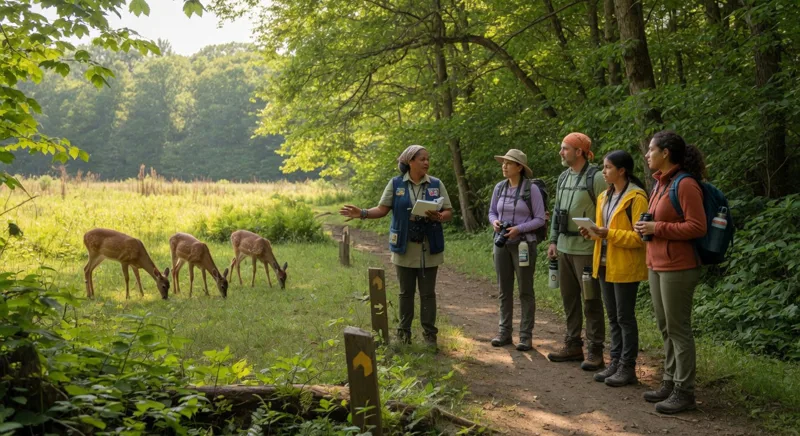
Learning how to choose responsible nature experiences helps you enjoy wildlife, forests, oceans, and protected areas without harming the places or communities that make them special. The best nature-based travel combines genuine discovery with conservation, safety, respect, and meaningful local benefits.
What Makes a Nature Experience Responsible?
Responsible tourism considers the environmental, cultural, and economic effects of travel. A responsible nature experience should protect biodiversity, respect local traditions, educate visitors, and support the people who live in the destination.
Look beyond labels such as eco-tour, green travel, or sustainable adventure. These terms are not always regulated. Instead, examine what the operator actually does.
Strong nature experiences usually include:
- Small groups that reduce crowding and disturbance
- Qualified local guides with knowledge of the ecosystem
- Clear wildlife-viewing rules
- Transparent conservation or community contributions
- Low-impact transportation and waste practices
- Accurate information rather than guaranteed animal sightings
- Respect for local laws, customs, and protected-area regulations
Global sustainability standards commonly assess four areas: management, socioeconomic benefits, cultural impacts, and environmental protection.[3] Use those categories as a practical checklist when comparing tours, wildlife excursions, hiking trips, kayaking adventures, and other outdoor activities.
Research the Tour Operator Before Booking
A few minutes of research can reveal whether a company’s sustainability claims are meaningful. Visit its website and look for specific policies rather than vague promises.
Questions Worth Asking
- Are guides trained in wildlife behavior, first aid, and local ecology?
- How large are the groups?
- Does the business employ local residents and use local suppliers?
- How does it handle food, water, fuel, and waste?
- Does it contribute to conservation projects or protected-area fees?
- What happens if weather or wildlife conditions make an activity unsafe?
- Does it follow seasonal closures and visitor limits?
- Can it explain how guest behavior is managed around animals?
Be cautious when a company promises close encounters, guaranteed sightings, touching animals, or feeding opportunities. Ethical wildlife tourism observes animals without forcing unnatural behavior. Responsible operators should also be comfortable explaining their limits.
Choose Wildlife Experiences That Put Animals First
Wildlife encounters can be memorable without being intrusive. During a responsible safari, whale-watching trip, birding tour, or marine excursion, animals should control the interaction.
Choose experiences that:
- Keep a respectful distance from animals
- Never feed, chase, touch, corner, or call wildlife
- Avoid nests, dens, breeding areas, and young animals
- Limit noise, boat speed, lighting, and photography pressure
- Follow seasonal restrictions and official viewing distances
- Use licensed facilities when captive-animal visits are involved
Leave No Trace guidance recommends observing wildlife from a distance, never feeding it, and avoiding sensitive periods such as mating, nesting, raising young, and winter.[1] These principles apply whether you are hiking independently or joining a guided nature tour.
Look for Real Local Benefits
Nature travel is more responsible when money stays in the destination. Local guides, family-run accommodations, community conservancies, and locally owned restaurants can create stronger economic benefits than businesses that import most staff and supplies.
That does not mean every large operator is harmful or every small business is sustainable. Ask how the experience supports residents and whether local communities have a meaningful role in decision-making.
Good signs include:
- Local ownership or long-term partnerships
- Fair employment and guide training
- Respect for Indigenous rights and cultural knowledge
- Community-managed conservation areas
- Clear permission for photography and cultural participation
Avoid experiences that treat local traditions as performances without context, consent, or fair compensation. Responsible cultural tourism should encourage learning, not stereotyping.
Evaluate Environmental Impact
Every outdoor activity has an environmental footprint, but thoughtful planning can reduce it. Compare similar options by considering transportation, group size, energy use, waste, and the sensitivity of the location.
| Activity choice | Lower-impact option |
|---|---|
| Transportation | Walking, cycling, shared transfers, or public transportation |
| Wildlife viewing | Small-group observation from designated areas |
| Water activities | Non-motorized options where suitable and permitted |
| Accommodation | Properties with efficient water, energy, and waste systems |
| Food | Local, seasonal meals with minimal packaging |
When visiting natural areas, plan ahead, stay on durable surfaces, pack out waste, and leave plants, rocks, artifacts, and other natural objects where you find them. These are core Leave No Trace practices promoted by national park and wildlife agencies.[2]
Check Safety, Accessibility, and Transparency
Responsible travel also protects people. Before joining an adventure activity, confirm the difficulty level, required equipment, emergency procedures, weather policy, and insurance expectations. A reputable operator should explain risks honestly rather than minimizing them.
Accessibility matters too. Ask whether trails, boats, vehicles, restrooms, and communication systems meet your needs. Inclusive nature experiences can benefit older travelers, families, people with disabilities, and anyone who needs a slower or more adaptable itinerary.
Read recent reviews for specific details. Look for comments about guide behavior, group sizes, animal treatment, punctuality, safety, and environmental practices—not just scenery or entertainment value.
A Simple Responsible Travel Checklist
- Research the destination’s regulations and conservation concerns.
- Compare operators using environmental, social, and safety criteria.
- Choose local guides and small groups when possible.
- Avoid tours promising guaranteed or unusually close wildlife encounters.
- Ask how the operator manages waste, transport, and animal interactions.
- Respect community customs, photography rules, and protected areas.
- Follow Leave No Trace principles throughout the experience.[1]
Make the Experience Better for Everyone
Choosing responsible nature experiences does not require perfection. It means asking better questions and selecting businesses that protect ecosystems, respect animals, and share benefits with local communities.
The most rewarding trip is not necessarily the one with the closest animal encounter or the most dramatic photograph. It is the one that leaves the landscape healthy, wildlife undisturbed, and residents respected. Travel thoughtfully, follow local guidance, and let curiosity—not convenience—shape your next adventure.
You May Also Like
 Travel
When Tourism Helps Protect Fragile Places
 Travel
Citizen Science Trips That Welcome Travelers
 Travel
Building a Contingency Plan for Remote Travel