The Gear Basics for Winter Wilderness Trips
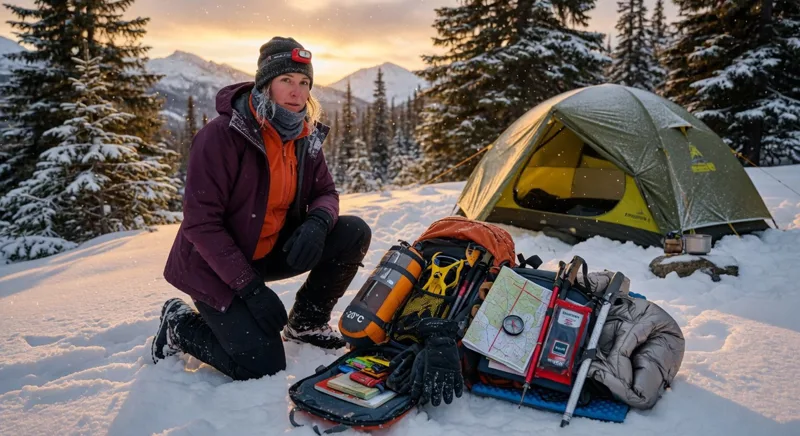
Winter wilderness trips reward careful preparation—but cold, snow, and short daylight leave little room for mistakes. The right clothing, shelter, navigation tools, and emergency supplies can keep a beautiful outing comfortable, safe, and enjoyable.
Start With a Winter Trip Checklist
The best winter gear list depends on your route, weather, activity, and distance from help. A short winter hike requires less equipment than a multi-day backcountry camping trip, while avalanche terrain demands specialized training and safety gear.
Before leaving, check the forecast, trail conditions, avalanche bulletin, and daylight hours. Share your itinerary with someone reliable, including your expected return time and emergency contact details. Plan for conditions worse than the forecast suggests.
Build a Reliable Cold-Weather Clothing System
Layering is the foundation of winter hiking clothing. It lets you regulate body temperature while moving, resting, or setting up camp.
Base Layer
Choose moisture-wicking merino wool or synthetic long underwear for your top and bottom. These materials move perspiration away from your skin and retain more warmth than cotton when damp. Avoid cotton in cold conditions because it absorbs moisture and dries slowly.
Insulating Layer
A fleece jacket, wool sweater, or synthetic midlayer provides warmth while you travel. Pack a lightweight down or synthetic puffy jacket for breaks and camp. Down offers excellent warmth for its weight, while synthetic insulation performs better if exposed to moisture.
Shell Layer
A waterproof, breathable jacket and pants protect against wind, snow, sleet, and wet brush. Look for an adjustable hood, sealed seams, durable fabric, and vents that allow excess heat to escape.
Small Items That Make a Big Difference
- Insulated mittens or gloves, plus a spare pair
- Wool or synthetic socks, with one dry backup pair
- Warm hat or balaclava
- Neck gaiter or face covering
- Waterproof gaiters to keep snow out of boots
- Sunglasses or snow goggles to reduce glare
- Sunscreen and lip balm with sun protection
Choose Footwear for Snow and Ice
Winter boots should be waterproof, insulated, and roomy enough for warm socks without restricting circulation. Test them with your complete sock system before the trip. Tight boots can reduce insulation and increase the risk of cold injuries.
Traction devices are essential when trails become icy. Lightweight microspikes work well on packed snow and moderate ice, while mountaineering crampons are designed for steeper terrain and technical routes. Snowshoes help prevent post-holing in deep, soft snow and can make travel much less exhausting.
Trekking poles with snow baskets improve balance and reduce strain. For steep alpine terrain, an ice axe may be necessary—but only if you know how to use it safely.
Pack the Right Winter Shelter and Sleep System
For overnight winter camping, use a tent designed to withstand snow loading and strong winds. Bring sturdy guylines, snow stakes, and a method for anchoring the shelter in loose snow.
Your sleeping system should include:
- A cold-weather sleeping bag rated for expected temperatures
- An insulated sleeping pad with a suitable high R-value
- A second pad or closed-cell foam pad for extra insulation
- A waterproof stuff sack or liner for protecting insulation
- A warm hat and dry sleep clothing reserved for camp
Ground insulation matters as much as the sleeping bag because snow quickly conducts heat away from your body. Never judge warmth by the sleeping bag rating alone; your clothing, pad, shelter, and personal comfort all affect nighttime performance.
Carry Safe Cooking and Water Equipment
Cold temperatures can slow or stop water filters, so carry water in insulated bottles and protect the filter from freezing. A frozen filter may become damaged without obvious warning. For winter camping, bring extra fuel and a stove suitable for low temperatures.
If melting snow, use clean snow and melt it gradually with a small amount of liquid water already in the pot. Snow often contains less water than expected, so allow additional time and fuel. Pack high-calorie foods that are easy to eat with gloves, such as energy bars, nuts, chocolate, and instant meals.
Do Not Skip Navigation and Emergency Gear
Snow can hide trail markers and transform familiar terrain. Carry a physical map, compass, headlamp, spare batteries, and a GPS device or satellite messenger. Learn how to use every navigation tool before the trip rather than relying on a phone battery in freezing weather.
Include the essentials below:
- First-aid kit with blister care and medications
- Emergency bivy, tarp, or insulated blanket
- Fire starter protected from moisture
- Whistle and signal mirror
- Repair tape, cord, multitool, and spare straps
- Extra food and water treatment supplies
- Power bank stored inside an insulated pocket
In avalanche terrain, each member of the group should carry an avalanche transceiver, probe, and shovel—and know how to use them through formal training. Avalanche equipment is not a substitute for checking conditions or avoiding dangerous terrain.
Keep Your Pack Organized
Store frequently used items where they are easy to reach. Keep insulation and spare clothing in waterproof bags, place emergency gear near the top, and protect electronics from cold and moisture. Carry water bottles upside down when practical so ice forms away from the drinking opening.
During breaks, put on an insulating layer before you feel chilled. Once clothing becomes wet with sweat, it can be difficult to dry in winter conditions. Manage moisture early by slowing your pace and adjusting layers before overheating.
Final Winter Wilderness Gear Check
The gear basics for winter wilderness trips come down to warmth, traction, shelter, hydration, navigation, and a realistic emergency plan. Choose equipment for the coldest expected conditions, practice using specialized tools, and leave room in your plan for delays.
A thoughtful winter gear checklist does more than add comfort—it gives you better decisions, steadier energy, and more confidence when the landscape turns cold and unpredictable.
References
You May Also Like
 Travel
When Tourism Helps Protect Fragile Places
 Travel
Citizen Science Trips That Welcome Travelers
 Travel
How to Choose Responsible Nature Experiences