Citizen Science Trips That Welcome Travelers
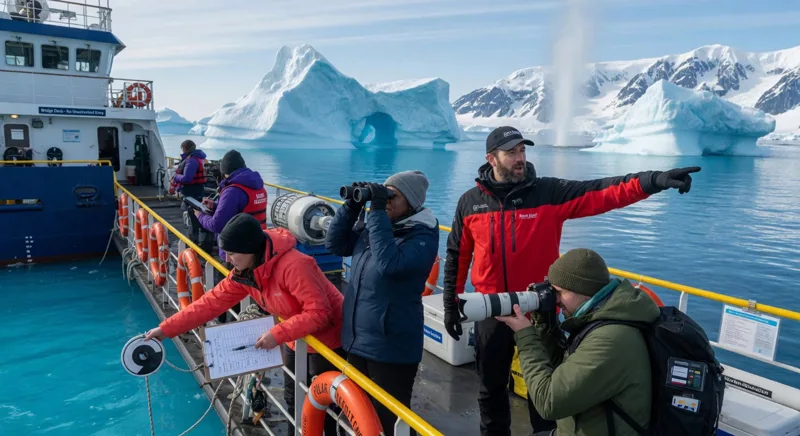
Citizen science trips that welcome travelers combine memorable journeys with hands-on research. From recording whale sightings to measuring ocean clarity, these experiences let curious people contribute useful data without needing a science degree.
What Are Citizen Science Trips?
Citizen science trips are vacations, expeditions, or guided tours where travelers assist professional researchers with real-world data collection. Activities may include observing wildlife, photographing plants, measuring water conditions, recording cloud patterns, or identifying stars.
The work is usually designed for beginners. Trained guides explain the process, provide equipment, and help participants submit observations to recognized scientific databases. On some expedition cruises, guests can join multiple projects during one voyage, including seabird counts, marine surveys, and Northern Lights tracking.[1][2]
Rather than replacing scientists, travelers expand the number of observations researchers can collect across remote or difficult-to-reach locations.
Popular Types of Citizen Science Travel
Wildlife and Biodiversity Expeditions
Wildlife-focused trips invite travelers to document animals, plants, insects, and marine life. Participants might photograph species during a rainforest hike, log birds on a coastal walk, or record whale and dolphin behavior from a boat.
Platforms such as eBird and iNaturalist help organize sightings and make them available for biodiversity research. A smartphone, careful observation, and basic identification guidance are often enough to participate.
- Birdwatching and migratory bird surveys
- Whale, dolphin, and seal observations
- Marine life and coral reef monitoring
- Plant, insect, and amphibian identification
- Wildlife photography for research databases
Polar Citizen Science Cruises
Antarctica and the Arctic are especially popular destinations for citizen science travel. Expedition guides may lead cloud observations, seabird counts, whale identification, water sampling, or measurements of ocean transparency.
One Antarctic project, FjordPhyto, involves travelers collecting phytoplankton samples and environmental measurements to help researchers study changes in microalgae communities as glaciers melt.[1] Other polar programs use Secchi disks to measure water clarity and record conditions such as temperature and salinity.[2][3]
These activities are typically performed between shore landings, wildlife viewing, and educational talks, making them suitable for travelers who want a meaningful experience without giving up the enjoyment of a traditional expedition.
Astronomy and Night-Sky Trips
Dark-sky destinations offer excellent opportunities for astronomy citizen science. Travelers may count visible stars, report light pollution, photograph meteor activity, or record the appearance of auroras.
Aurora-tracking projects collect sightings from travelers to improve understanding of the Northern and Southern Lights.[2] These trips can appeal to photographers, families, amateur astronomers, and anyone planning a Northern Lights vacation.
Marine Conservation and Ocean Research
Ocean-based citizen science trips may involve snorkeling, diving, kayaking, or traveling aboard an expedition ship. Participants can record manta ray sightings, identify reef species, collect environmental DNA samples, or measure water conditions.
Some conservation tours ask guests to contribute freshwater samples for biodiversity analysis, while others use simple visual surveys to track fish, coral, or large marine animals.[3] The activities vary by destination, but the goal is consistent: gather standardized observations that researchers can compare over time.
Who Can Join a Citizen Science Trip?
Most programs welcome beginners, families, solo travelers, and older adults. You generally do not need formal scientific training. The most useful qualities are patience, curiosity, accurate note-taking, and a willingness to follow instructions.
Before booking, check the physical requirements. A wildlife walk may involve uneven trails, while a polar voyage may use small boats and require passengers to climb steps. Diving projects can require certification, but many marine activities take place from shore or on the surface.
What Does Participation Usually Involve?
- Attend a briefing: Guides explain the research question, safety rules, and recording method.
- Use simple equipment: Depending on the project, this may include binoculars, cameras, sample containers, a Secchi disk, or a smartphone app.
- Record observations: Participants note location, time, weather, species, or environmental conditions.
- Submit the data: Guides may upload findings directly or show travelers how to use a research platform.
- Discuss the results: Many trips include talks about how the information supports conservation and climate research.
How to Choose the Best Citizen Science Trip
Look for programs that clearly explain the scientific partner, research objective, data protocol, and participant role. A credible project should describe how observations are checked and how results are used.
- Choose a project matched to your interests, such as birds, astronomy, oceans, or climate.
- Review the itinerary and physical activity level.
- Ask whether equipment and instruction are included.
- Check whether the activity is available on every departure or only selected voyages.
- Read the cancellation, medical, and travel insurance terms carefully.
- Consider the group size, guide qualifications, and environmental standards.
Responsible programs prioritize low-impact observation. Travelers should avoid touching wildlife, leaving marked paths, disturbing nesting sites, or collecting samples without permission.
Why These Trips Are Worth Considering
Citizen science travel creates a stronger connection between destination and experience. Instead of simply viewing a landscape, travelers learn how it functions and what threatens it. The result can be more memorable than sightseeing alone.
These trips also make scientific research more accessible. A traveler counting seabirds in Antarctica, recording cloud cover, or photographing a rare plant may contribute a small observation—but thousands of carefully collected observations can reveal important patterns.[3][4]
Conclusion
Citizen science trips that welcome travelers offer a practical way to explore the world while supporting biodiversity, climate, marine, and astronomy research. Whether you prefer a polar cruise, wildlife safari, reef adventure, or dark-sky escape, beginner-friendly programs make meaningful participation possible. Choose a transparent, well-guided project, travel responsibly, and your next vacation can leave behind more than memories—it can leave useful knowledge.
References
You May Also Like
 Travel
When Tourism Helps Protect Fragile Places
 Travel
How to Choose Responsible Nature Experiences
 Travel
Building a Contingency Plan for Remote Travel