Planning a Trip to See the Northern Lights
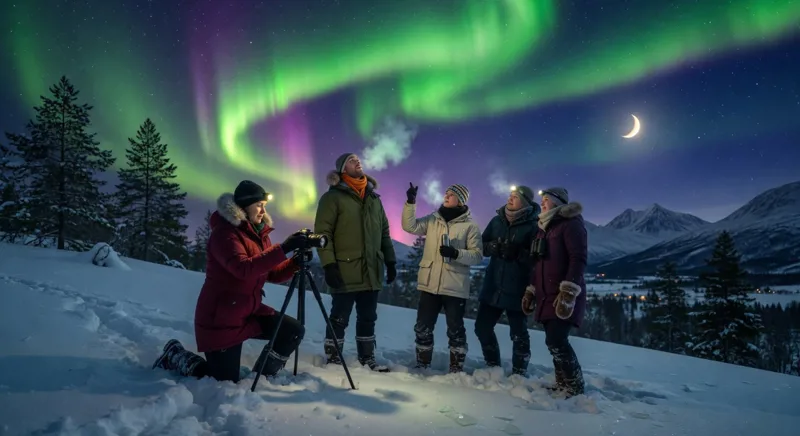
Planning a trip to see the Northern Lights is part science, part timing, and part patience. With the right destination, travel dates, clothing, and backup plans, you can greatly improve your chances of seeing the aurora borealis dance across a dark Arctic sky.
Choose the Best Time to See the Northern Lights
The Northern Lights are generally visible from late September through early April, when nights are long and dark enough for aurora viewing.[1] The most popular winter months are December through February, but autumn and early spring can offer milder weather and fewer crowds.[2]
For many destinations, the strongest viewing opportunities occur around the spring and fall equinoxes. The aurora is often most active between approximately 10 p.m. and 2 a.m. local time, although displays can appear earlier or later.[4]
- September and October: Longer evenings, relatively mild conditions, and colorful autumn landscapes.
- November through February: Very long nights and classic snowy scenery, but colder temperatures.
- March and early April: Good darkness, possible aurora activity, and somewhat milder conditions.
Remember that there is no guaranteed night for a sighting. Plan at least three or four nights in an aurora destination rather than relying on a single evening.
Where Should You Go for Northern Lights Viewing?
The best Northern Lights destinations are located beneath or near the auroral oval, a region around the magnetic poles where aurora activity is most common. Look for places with dark skies, reliable transportation, and enough local activities to keep your itinerary enjoyable if clouds roll in.
Popular Northern Lights Destinations
- Tromsø, Norway: A convenient Arctic base with flights, guided tours, restaurants, and winter activities. Nearby areas such as Senja and Lyngen can offer darker skies and fewer crowds.[1]
- Alta, Norway: Known for clear Arctic landscapes and a strong Northern Lights tourism infrastructure.
- Kirkenes, Norway: A far-northern destination with long polar nights and excellent access to snowy wilderness.
- Lofoten Islands, Norway: A scenic option combining aurora viewing with dramatic mountains, beaches, and fishing villages.
- Fairbanks, Alaska: A popular North American base with frequent winter aurora tours and accommodation options.
- Yellowknife, Canada: Often favored for its dry climate and wide-open viewing areas.
- Abisko, Sweden: A mountain location known for dark skies and a local “rain shadow” that can sometimes create clearer conditions.
- Rovaniemi and Finnish Lapland: Convenient for combining aurora hunting with saunas, reindeer experiences, and winter scenery.
Understand What Makes a Good Aurora Night
Three conditions matter most: darkness, clear skies, and geomagnetic activity. Even a strong solar storm will be difficult to see through thick cloud or bright city lights. NOAA recommends traveling away from urban light pollution and checking both aurora and local weather forecasts.[4]
Useful forecast information includes the KP index, which estimates geomagnetic activity, cloud cover, and the predicted aurora oval. Treat forecasts as guidance rather than a promise. Short-term forecasts are usually more useful than predictions made weeks or months in advance.
A bright full moon can make faint aurora displays harder to notice, although it can also illuminate snowy landscapes for photography. Choose based on your priorities: a darker moonless sky or a brighter winter scene.
Plan Your Northern Lights Trip Around Flexibility
A flexible itinerary gives you more opportunities to follow clear skies. Instead of staying in one busy city every night, consider a combination of a convenient base and one or two excursions into darker countryside.
- Arrive at least one day before your first planned aurora tour.
- Schedule several nights for viewing rather than one fixed attempt.
- Keep daytime activities flexible in case you need to sleep after a late night outdoors.
- Choose refundable or changeable bookings when practical, especially during winter.
- Have indoor alternatives such as museums, cultural centers, spas, or local food experiences.
Guided aurora tours can be useful because experienced drivers monitor cloud cover and may travel to clearer areas. Self-driving offers more independence, but icy roads, limited daylight, and sudden closures can make winter driving challenging. In Northern Norway, visitors are advised to drive only with suitable winter experience and to check route conditions before setting out.[3]
What to Pack for Aurora Watching
Standing outdoors for several hours feels much colder than walking between heated buildings. Dress in layers and protect your hands, feet, head, and face from wind and moisture.
- Thermal base layers, preferably wool or another moisture-managing fabric
- Insulating fleece or down mid-layer
- Waterproof, windproof outer jacket and trousers
- Insulated winter boots with room for warm socks
- Wool socks, gloves, hat, and neck warmer
- Headlamp with a red-light setting
- Hand warmers and spare batteries
- Tripod, spare camera batteries, and a power bank
For Northern Lights photography, use a sturdy tripod, manual focus, a wide aperture, and a relatively high ISO. Let your eyes adjust to the darkness, and avoid looking at bright phone screens while waiting.
Consider Travel Insurance and Winter Safety
Winter travel can involve delayed flights, canceled excursions, road closures, and weather-related changes. Before booking, review travel insurance coverage for medical care, trip interruption, baggage, and weather disruptions. Policies differ, so check exclusions carefully rather than assuming every cancellation is covered.
Tell someone about remote excursions, follow local weather warnings, and avoid walking onto sea ice, frozen rivers, or unmarked snowfields. If you are renting a car, confirm that it has appropriate winter tires and understand local driving rules.
Make the Most of the Experience
The Northern Lights are unpredictable, so define success broadly. A clear star-filled sky, a quiet snowy landscape, and the anticipation of a possible display can be memorable even when the aurora remains hidden.
Book enough nights, travel during the dark season, choose a location away from bright lights, and leave room for changing weather. With realistic expectations and thoughtful preparation, planning a trip to see the Northern Lights becomes more than a search for a perfect photograph—it becomes an unforgettable Arctic adventure.
References
You May Also Like
 Travel
When Tourism Helps Protect Fragile Places
 Travel
Citizen Science Trips That Welcome Travelers
 Travel
How to Choose Responsible Nature Experiences