Exploring Remote Coastlines Responsibly
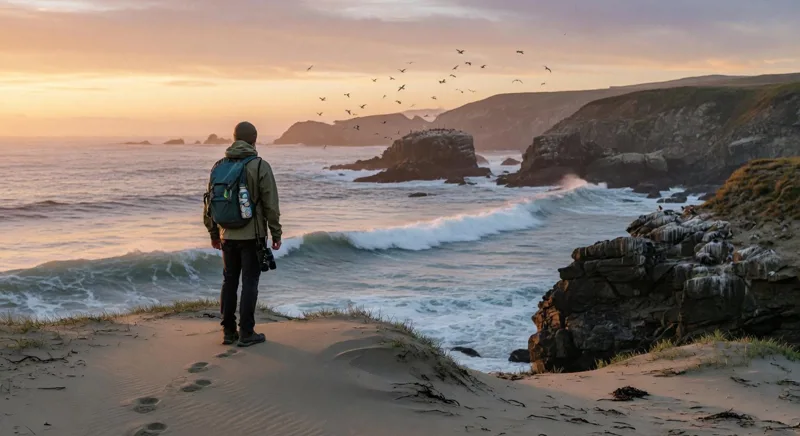
Exploring remote coastlines responsibly offers unforgettable views, quiet beaches, and remarkable wildlife encounters. The key is balancing adventure with careful planning, low-impact travel, and respect for fragile coastal ecosystems and local communities.
Why Responsible Coastal Travel Matters
Remote coastlines may look untouched, but they are rarely without risks or environmental pressures. Tidal habitats, dunes, kelp forests, nesting areas, and rocky shorelines can be damaged by a single careless visit. Litter, noise, off-trail walking, and invasive species can affect wildlife long after travelers leave.
Responsible coastal travel means making thoughtful choices before, during, and after your trip. It applies whether you are sea kayaking, hiking a coastal trail, camping on a beach, boating, fishing, or photographing marine wildlife.
Plan Your Remote Coastline Adventure
Good preparation is one of the most effective ways to protect yourself and the places you visit. Remote destinations often have limited phone service, few facilities, and rapidly changing weather.
Check Regulations and Local Conditions
Before leaving, research the destination’s park rules, access restrictions, camping requirements, fire regulations, and wildlife protection zones. Some shorelines close seasonally to protect nesting birds, sea turtles, seals, or other sensitive species.
- Check tide tables, swell forecasts, wind conditions, and marine warnings.
- Study nautical charts or detailed topographic maps.
- Confirm whether permits are required for camping, boating, fishing, or parking.
- Learn where drinking water, toilets, fuel, and emergency services are available.
- Share your itinerary and expected return time with someone reliable.
Tides deserve special attention. A beach that is easy to reach at low tide may become inaccessible within hours. Avoid crossing headlands, sea caves, tidal channels, or narrow beaches unless you understand the tide cycle and have a safe exit route.
Pack for Safety and Sustainability
Remote coastline hiking and kayaking require more than comfortable clothing. Pack for changing conditions, limited services, and unexpected delays.
- Navigation tools, a charged phone, offline maps, and a backup power bank
- First-aid supplies, emergency shelter, warm layers, and rain protection
- Ample drinking water and high-energy food
- Headlamp, whistle, signaling device, and reliable communication equipment
- Reusable containers instead of disposable bottles and packaging
- Waste bags for all rubbish, food scraps, and personal hygiene products
- Binoculars or a telephoto lens for wildlife observation
Choose equipment that suits the environment. A personal flotation device is essential for kayaking and boating, while sturdy footwear can reduce slips on wet rock. If you are traveling by boat, secure all rubbish and carry supplies for containing fuel or oil spills.
Follow Leave No Trace Principles
The simplest rule for low-impact travel is straightforward: leave the coastline as you found it, or better than you found it. Pack out everything you bring, including food scraps, tissues, fishing line, and biodegradable items.
Use established trails and campsites whenever they are available. Walking across dunes, salt marshes, tide pools, or vegetation can destroy slow-growing plants and disturb nesting wildlife. Never create shortcuts or build new fire rings.
Handle Human Waste Correctly
Never assume the ocean, tide line, or a secluded rock pool is an appropriate toilet. Follow local sanitation rules, use designated facilities, or carry approved waste bags where required. Human waste should remain well away from water, campsites, and heavily used paths, according to local regulations.
Reduce single-use plastics, avoid foam packaging, and bring reusable food and drink containers. If you collect marine debris, make sure you can safely carry it out without overwhelming local disposal facilities.
Watch Wildlife Without Causing Harm
Wildlife viewing is often the highlight of exploring remote coastlines, but close encounters can create stress or dangerous behavior. Observe animals from a distance with binoculars or a zoom lens rather than approaching for a photograph.
- Never feed, touch, chase, corner, or call wildlife.
- Keep dogs leashed where pets are permitted, and leave them at home where restrictions apply.
- Stay away from nests, dens, haul-out sites, and animals with young.
- Move back if an animal stops feeding, becomes alert, changes direction, or flees.
- Do not approach apparently abandoned or injured animals; contact local authorities.
Required distances vary by species and location. For example, some marine wildlife guidelines recommend staying at least 100 meters away, while other areas require greater distances for whales, seals, or breeding colonies.[1][2] Always follow posted rules, because local protections may be stricter than general advice.
Reduce Your Impact on the Water
Boaters and paddlers can protect marine habitats by avoiding shallow areas containing kelp, seagrass, coral, or other sensitive vegetation. Anchor only where permitted and use designated moorings whenever possible.
Slow down near wildlife and avoid sudden turns, loud engines, and wake that could separate animals from their groups or push them toward shore. Never discharge fuel, oil, wastewater, or rubbish into the sea. Clean boats, kayaks, paddles, fishing gear, footwear, and camping equipment before moving between waterways to help prevent the spread of invasive species.[1][3]
Respect Coastal Communities and Culture
Remote does not mean ownerless. Many coastlines are connected to Indigenous communities, fishing families, conservation groups, and working harbors. Follow access rules, respect private property, and avoid photographing people or cultural sites without permission.
Leave shells, fossils, pottery, archaeological objects, plants, and other natural or cultural materials where you find them. If local businesses, guides, or transport services operate in the area, treat them as partners in conservation rather than simply as travel conveniences.
A Simple Responsible Coastline Checklist
- Research rules, tides, weather, wildlife seasons, and access conditions.
- Tell someone your route and planned return time.
- Carry navigation, emergency, water, food, and waste-management supplies.
- Stay on established routes and camp only where permitted.
- Keep a generous distance from wildlife and never feed or touch animals.
- Pack out every item, including food scraps and fishing waste.
- Clean and dry equipment before visiting another waterway.
- Report hazards, pollution, stranded wildlife, or illegal activity to local authorities.
Leave Only Footprints and Good Decisions
Exploring remote coastlines responsibly is not about removing adventure from travel. It is about making adventure last. Careful planning, respectful wildlife viewing, low-impact camping, and thoughtful community engagement allow these wild places to remain healthy for future visitors and the species that depend on them.
When the journey ends, the best outcome is simple: you return safely, take your memories with you, and leave the coastline quiet, clean, and undisturbed.
You May Also Like
 Travel
When Tourism Helps Protect Fragile Places
 Travel
Citizen Science Trips That Welcome Travelers
 Travel
How to Choose Responsible Nature Experiences