What to Know Before Booking a Sailing Adventure
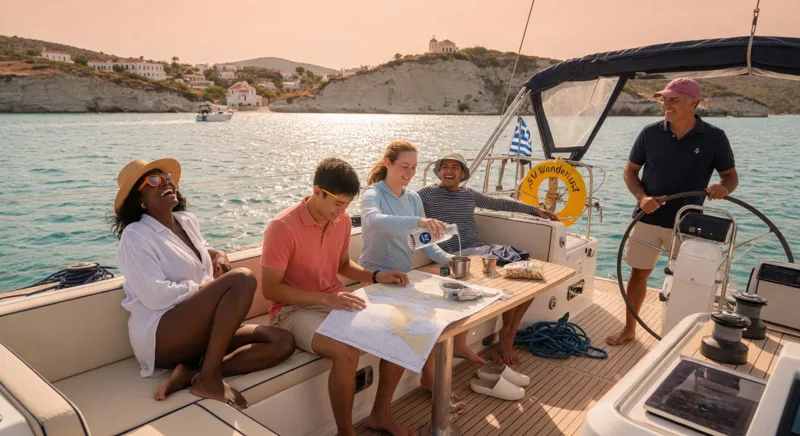
Knowing what to know before booking a sailing adventure can turn a beautiful day on the water into a smooth, memorable experience. From choosing the right boat and destination to checking sailing insurance, weather policies, and hidden costs, a little planning helps you enjoy the journey with confidence.
Choose the Right Type of Sailing Trip
“Sailing adventure” can mean very different things. A half-day sailing tour, a private yacht charter, a crewed yacht vacation, and a bareboat charter each offer a different level of comfort, responsibility, and cost.
- Guided sailing tour: A captain and crew handle navigation while guests relax, swim, or enjoy sightseeing.
- Skippered charter: You rent the boat with a professional skipper, often with flexibility over the itinerary.
- Crewed yacht charter: A captain and additional crew may manage sailing, meals, cleaning, and onboard service.
- Bareboat charter: You operate the vessel yourself without a hired skipper, so experience, licensing, and planning are essential.
For first-time sailors, a guided or skippered trip is usually the most comfortable introduction. Experienced sailors may prefer a bareboat charter, but the boat should match the skipper’s proven experience in size, handling, and onboard systems.
Compare the Boat Before You Book
The boat affects comfort, stability, privacy, and the overall sailing experience. A monohull often offers a traditional sailing feel and responsive handling, while a catamaran usually provides more living space, stability, and shallow-water access.
Ask for the vessel’s specifications rather than relying only on attractive photos. Check:
- Number of cabins, beds, and bathrooms
- Maximum passenger capacity
- Shade, outdoor seating, and indoor living areas
- Air conditioning, refrigeration, Wi-Fi, and electrical outlets
- Accessibility features and boarding arrangements
- Safety equipment, tender, snorkeling gear, and water toys
Think about your group’s priorities. A couple may value privacy, while a family might need easy boarding, shade, and plenty of storage. A larger boat is not automatically better if it creates a crowded or complicated experience.
Understand Sailing Adventure Costs
The advertised sailing charter cost may not include every expense. Before paying a deposit, request an itemized quote and clarify whether the following are included:
- Skipper and crew fees
- Fuel and marina or port fees
- Final cleaning and linens
- Food, drinks, and provisioning
- Water toys and snorkeling equipment
- Transfers, taxes, and local permits
- Security deposit or yacht damage waiver
Some multi-day charters also use a shared onboard budget for fuel, provisions, restaurant meals, and marina charges. Ask how this amount is calculated and whether unused funds are refunded. Comparing the total trip cost—not just the base rate—makes it easier to evaluate sailing trips accurately.
Check Qualifications and Experience Requirements
Bareboat charter companies commonly review a skipper’s sailing résumé, certifications, logbook, and experience on similar vessels. Requirements vary by country, boat type, and insurance provider. Recognized credentials may include the International Certificate of Competence, RYA qualifications, ASA certifications, or equivalent local licenses.
A license alone may not be enough. Operators can also request evidence of experience with a boat of comparable length, engine configuration, navigation equipment, and handling characteristics. Some require a check-out sail with a charter captain before allowing independent departure.
If nobody in your group meets the requirements, hiring a professional skipper is often the simplest solution. It also lets everyone enjoy the scenery instead of placing the entire trip on one person’s shoulders.
Review Weather and Cancellation Policies
Weather is part of sailing, and conditions can change quickly. Read the operator’s policy for strong winds, storms, unsafe seas, port closures, or itinerary changes. Find out whether you receive a refund, rescheduling option, credit, or alternative route if conditions prevent departure.
Ask how often forecasts are reviewed and who makes the final safety decision. A responsible operator should never pressure guests or skippers to sail in unsuitable conditions. Flexible planning is especially important during hurricane, monsoon, or storm-prone seasons.
Consider Sailing and Travel Insurance
Standard travel insurance does not always cover sailing, yacht charters, water sports, or independent boat operation. Review the policy carefully for medical evacuation, trip cancellation, personal liability, equipment damage, and participation in sailing activities.
For a bareboat charter, ask whether the operator’s coverage includes vessel damage and third-party liability. You may also need charter-specific protection for the security deposit or accidental damage. Confirm coverage limits, exclusions, geographic restrictions, and whether licensed or supervised sailing is required.
Pack for Comfort and Safety
Boats have limited storage, so soft-sided luggage is usually easier to stow than hard suitcases. Useful items include:
- Non-slip shoes with light-colored soles
- Light layers, swimwear, and sun-protective clothing
- Hat, sunglasses, and reef-conscious sunscreen
- Motion-sickness medication or wristbands
- Reusable water bottle and personal medications
- Dry bags for phones, passports, and valuables
Leave bulky luggage and unnecessary valuables at home. Before departure, pay attention to the safety briefing, emergency communication procedures, life-jacket locations, and muster arrangements.
Ask These Questions Before Booking
- What exactly is included in the quoted price?
- Who is responsible for fuel, food, taxes, and marina fees?
- What happens if weather changes the itinerary?
- What licenses or experience are required?
- Does the boat have appropriate safety and communication equipment?
- What are the deposit, cancellation, and refund terms?
- Can dietary, mobility, or medical needs be accommodated?
Make Your Sailing Adventure a Better Experience
The best sailing adventure is not necessarily the longest, largest, or most luxurious. It is the trip that suits your experience, group, budget, comfort level, and appetite for adventure. Compare the complete costs, verify insurance and qualifications, understand the weather policy, and choose a boat that fits the people aboard.
With those details settled before booking, you can step onto the deck prepared, relaxed, and ready to enjoy the wind, water, and freedom that make sailing so special.
References
You May Also Like
 Travel
When Tourism Helps Protect Fragile Places
 Travel
Citizen Science Trips That Welcome Travelers
 Travel
How to Choose Responsible Nature Experiences