Kayaking Trips With Unforgettable Scenery
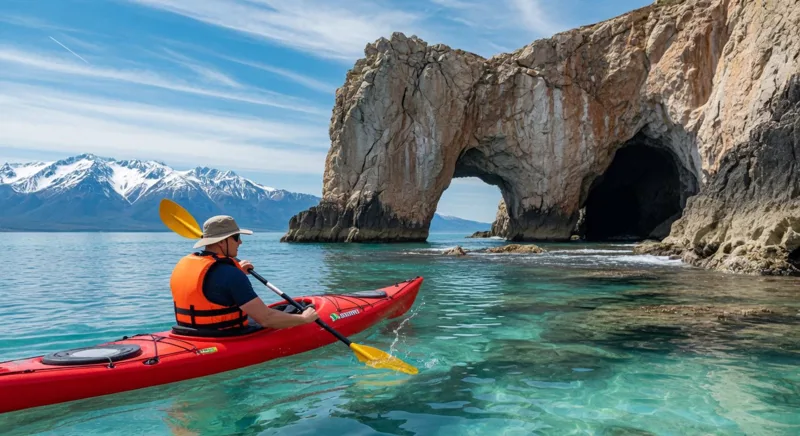
Few outdoor adventures combine exercise, exploration, and breathtaking views like kayaking trips with unforgettable scenery. From calm alpine lakes to sea caves and wildlife-rich coastlines, the right paddling destination turns an ordinary day on the water into a lasting memory.
What Makes a Kayaking Trip Truly Scenic?
The best scenic kayaking destinations offer more than attractive views. They combine accessible launch points, manageable water conditions, interesting wildlife, and enough variety to keep every mile engaging.
Look for routes featuring:
- Mountain backdrops, cliffs, waterfalls, or unusual rock formations
- Clear water and protected coves
- Sea caves, arches, islands, or hidden beaches
- Opportunities to see birds, seals, dolphins, or other native wildlife
- Calm sections suitable for beginners and families
- Established campsites for multi-day kayaking trips
Your ideal route depends on experience. A recreational kayak works well on calm lakes and slow rivers, while a touring or sea kayak is better for longer coastal journeys. Whitewater kayaking requires specialized skills, equipment, and instruction.
7 Kayaking Trips With Unforgettable Scenery
1. Sea Caves and Island Coastlines
Coastal kayaking is a favorite for travelers who want dramatic scenery. Paddling beside sea cliffs reveals narrow coves, arches, tide pools, and caves that are difficult or impossible to reach on foot.
Island destinations are especially rewarding because they often combine rugged landscapes with quiet beaches and abundant marine life. However, ocean conditions can change quickly. Check the marine forecast, tides, wind, currents, and wave height before launching. Beginners should stay close to shore and consider joining a guided sea kayaking tour.
2. Glacier-Fed Lakes
Few sights compare with paddling across a turquoise lake surrounded by snow-capped mountains. Glacier-fed lakes often provide exceptionally scenic kayaking, with reflections changing as clouds move across the peaks.
These destinations can look peaceful while still presenting serious risks. Cold water, sudden wind, and limited shoreline access make preparation essential. Wear a properly fitted personal flotation device, pack insulating layers in a dry bag, and avoid assuming that warm air means warm water.
3. Desert Canyons and Red-Rock Rivers
Desert kayaking trips offer a completely different visual experience. Towering canyon walls, sculpted sandstone, narrow side channels, and hidden waterfalls create a route that feels like a natural corridor through the landscape.
Check river flows, weather, and access restrictions before beginning. Heavy rain can create dangerous flash floods, even when the sky above your launch point is clear. Carry plenty of water, sun protection, navigation tools, and extra food on remote routes.
4. Cypress Swamps and Coastal Wetlands
For a quieter adventure, try a blackwater river or coastal wetland. Dark, reflective water winds beneath cypress trees, Spanish moss, mangroves, or dense shoreline vegetation. These routes are often excellent for wildlife photography and birdwatching.
Move slowly and quietly to avoid disturbing animals. Early morning is usually ideal for cooler temperatures, softer light, and active wildlife. Follow marked channels and respect seasonal closures that protect nesting birds or sensitive habitats.
5. Alpine Lakes and Mountain Reservoirs
Mountain lakes provide some of the most accessible scenic kayaking trips. A calm paddle can deliver expansive views of forested slopes, high peaks, and changing reflections without the technical demands of whitewater.
Plan for limited services and changing weather. Afternoon storms can bring strong winds and rough water, so an early start is often the safest and most enjoyable option. A map, compass or GPS device, weather-resistant clothing, and sufficient food are useful even on short routes.
6. Bioluminescent Bays
Night kayaking through bioluminescent water offers a magical experience. Tiny marine organisms glow when the water is disturbed, creating flashes of blue or green around each paddle stroke.
Visibility and weather matter more at night, so guided tours are often the best choice for first-time paddlers. Avoid using bright lights unnecessarily, follow local wildlife guidelines, and choose a clear, calm evening when possible.
7. Multi-Day Wilderness Routes
For a deeper connection with nature, plan an overnight kayaking trip through a protected lake, island chain, or coastal wilderness. Camping beside the water allows more time for sunrise paddles, quiet wildlife observation, and stargazing away from city lights.
Multi-day routes require careful planning. Confirm permits, campsites, water sources, food-storage rules, and emergency procedures. Keep a float plan with a trusted person that includes your route, launch location, expected return time, and emergency contact information.
How to Choose the Right Scenic Kayaking Destination
| Experience level | Best route type | What to consider |
|---|---|---|
| Beginner | Protected lake or calm bay | Short distances, easy launch access, minimal wind |
| Intermediate | Coastal island or slow-moving river | Tides, navigation, weather changes, self-rescue skills |
| Advanced | Open coast, remote wilderness, or whitewater | Currents, surf, technical skills, rescue planning |
Essential Kayaking Gear for Scenic Adventures
The right equipment improves both comfort and safety. At minimum, bring:
- A properly fitted, approved personal flotation device worn at all times
- A paddle suited to your kayak and paddling style
- Waterproof map, navigation device, and communication method
- Dry bags containing clothing, food, water, sunscreen, and first-aid supplies
- Whistle or other signaling device
- Water shoes and weather-appropriate layers
- Wetsuit or dry suit when water temperatures are cold
Before a longer trip, practice entering and exiting your kayak, bracing, turning, and re-entering after a capsize. Cold water can quickly reduce strength and swimming ability, even when the weather feels comfortable.
Responsible Paddling Tips
Beautiful kayaking destinations depend on considerate visitors. Launch only at established access points, camp in designated areas, and pack out every item you bring. Keep your distance from wildlife, avoid feeding animals, and paddle quietly near nesting or resting areas.
Respect local rules governing permits, fishing, camping, fires, and seasonal closures. These simple habits protect fragile shorelines and help preserve scenic kayaking routes for future visitors.
Plan a Trip You Will Remember
The most rewarding kayaking trips with unforgettable scenery balance ambition with preparation. Choose a route suited to your skills, check current conditions, carry essential safety gear, and leave someone a clear float plan. Whether you spend two hours on a mountain lake or several days along a remote coastline, thoughtful planning lets you focus on the views, wildlife, and quiet moments that make paddling special.
References
You May Also Like
 Travel
When Tourism Helps Protect Fragile Places
 Travel
Citizen Science Trips That Welcome Travelers
 Travel
How to Choose Responsible Nature Experiences