What to Pack for a Wilderness Adventure
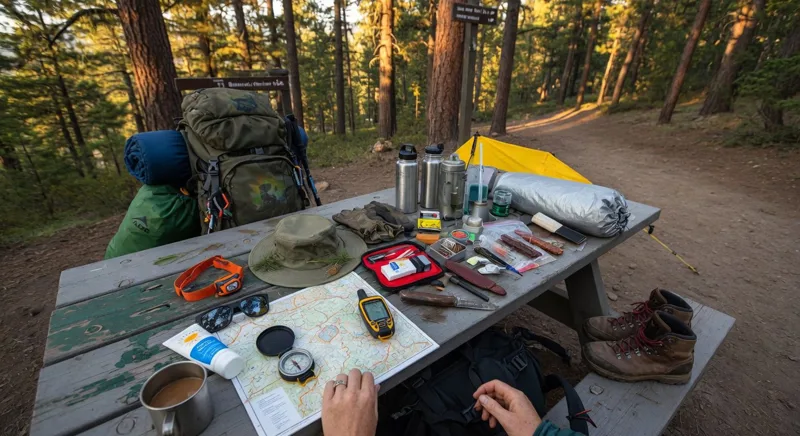
Knowing what to pack for a wilderness adventure can make the difference between a memorable trip and an uncomfortable—or dangerous—one. The right wilderness gear should keep you warm, hydrated, fueled, oriented, and prepared for changing weather, minor injuries, and unexpected delays.
Start With the Ten Essentials
Every hiking or backpacking checklist should begin with the Ten Essentials. These core items help you respond to sudden weather changes, injuries, navigation problems, and unplanned overnight stays.[3][4]
- Navigation: Topographic map, compass, and a GPS device or navigation app
- Sun protection: Sunglasses, sunscreen, lip balm with SPF, and a brimmed hat
- Insulation: Warm layers, gloves, hat, and a rain jacket
- Illumination: Headlamp, spare batteries, or a rechargeable light
- First aid: Blister treatment, bandages, gauze, pain relief, and personal medication
- Fire: Waterproof matches, lighter, and fire starter where fires are permitted
- Repair tools: Knife, duct tape, multitool, cord, and gear-repair patches
- Nutrition: High-energy food plus an extra day’s supply
- Emergency shelter: Tent, tarp, bivy sack, or emergency blanket
- Hydration: Water bottles or a reservoir and a reliable water-treatment method
Before leaving, learn how to use your map, compass, water filter, and other safety equipment. Carrying gear is helpful only when you know how it works.
Clothing for Changing Wilderness Conditions
Weather can shift quickly in the mountains, forests, deserts, and coastal backcountry. Instead of packing one bulky outfit, use a versatile layering system that allows you to adjust to heat, cold, wind, and rain.
Use Three Practical Layers
- Base layer: Moisture-wicking synthetic fabric or merino wool to move sweat away from your skin
- Insulating layer: Fleece, wool, or a lightweight puffy jacket for warmth
- Shell layer: Waterproof, breathable rain jacket and rain pants for wind and precipitation
Pack extra socks, underwear, and a warm hat. Avoid cotton on extended wilderness trips because it holds moisture and dries slowly. Choose sturdy hiking boots or trail shoes that are already broken in, and consider gaiters for mud, snow, sand, or brush.
Food and Water: Plan Beyond the Trailhead
Hydration needs depend on temperature, elevation, distance, exertion, and water availability. Carry enough water for the route and bring a filter, purification tablets, or another treatment system if reliable sources exist. Never assume a clear stream is safe to drink without treatment.
For backpacking food, select lightweight items that are calorie-dense, easy to prepare, and resistant to crushing. Good options include:
- Trail mix, nuts, and seeds
- Energy bars and granola
- Jerky or shelf-stable protein
- Peanut butter packets and tortillas
- Dried fruit and crackers
- Instant meals, oatmeal, and drink mixes
Pack an extra day of food for remote trips, as recommended in wilderness safety guidance.[3][4] Store food securely and follow local rules for wildlife-resistant storage.
Overnight Camping Gear
If your wilderness adventure includes camping, keep your sleep system matched to the lowest expected temperature—not just the daytime forecast.
- Tent, poles, stakes, and footprint or groundsheet
- Sleeping bag or quilt rated for expected conditions
- Insulated sleeping pad
- Lightweight stove, fuel, pot, and utensils where permitted
- Waterproof stuff sacks or dry bags
- Toiletries, toilet paper, and a waste bag
- Small towel and biodegradable soap used well away from water sources
Test your tent, stove, and sleeping system at home before your trip. A quick setup practice can reveal missing parts while you still have time to fix the problem.
Personal Safety and Emergency Equipment
A compact first-aid kit should reflect the group, terrain, and length of the adventure. Include blister care, antiseptic wipes, adhesive bandages, gauze, medical tape, an elastic wrap, tweezers, and any prescription medication.
Add a whistle, signal mirror, emergency blanket, waterproof notebook, and pencil. In areas without cellular service, a satellite communicator or personal locator beacon may provide an additional emergency option. Tell a trusted person your route, expected return time, vehicle details, and emergency plan before departing.
Pack Responsibly With Leave No Trace in Mind
Responsible wilderness packing includes carrying out everything you bring in. The Leave No Trace principles emphasize planning ahead, camping on durable surfaces, disposing of waste properly, respecting wildlife, and being considerate of other visitors.[1][2]
- Bring reusable containers instead of excess packaging.
- Pack out food scraps, tissues, and all other waste.
- Keep food and scented items away from sleeping areas.
- Check fire regulations before carrying or using a stove.
- Leave plants, rocks, antlers, and historic objects where you find them.
Final Wilderness Packing Checklist
Before you leave, check the forecast, trail conditions, permits, water sources, wildlife notices, and seasonal restrictions. Then ask yourself four simple questions: Can I navigate? Can I stay warm and dry? Can I find or treat water? Can I handle an unexpected night outside?
The best wilderness packing list is not the longest one—it is the one tailored to your destination, experience, group, and forecast. Pack the Ten Essentials every time, prepare for conditions worse than expected, and carry equipment you have already tested. With that foundation, you can travel lighter, safer, and with far more confidence.
You May Also Like
 Travel
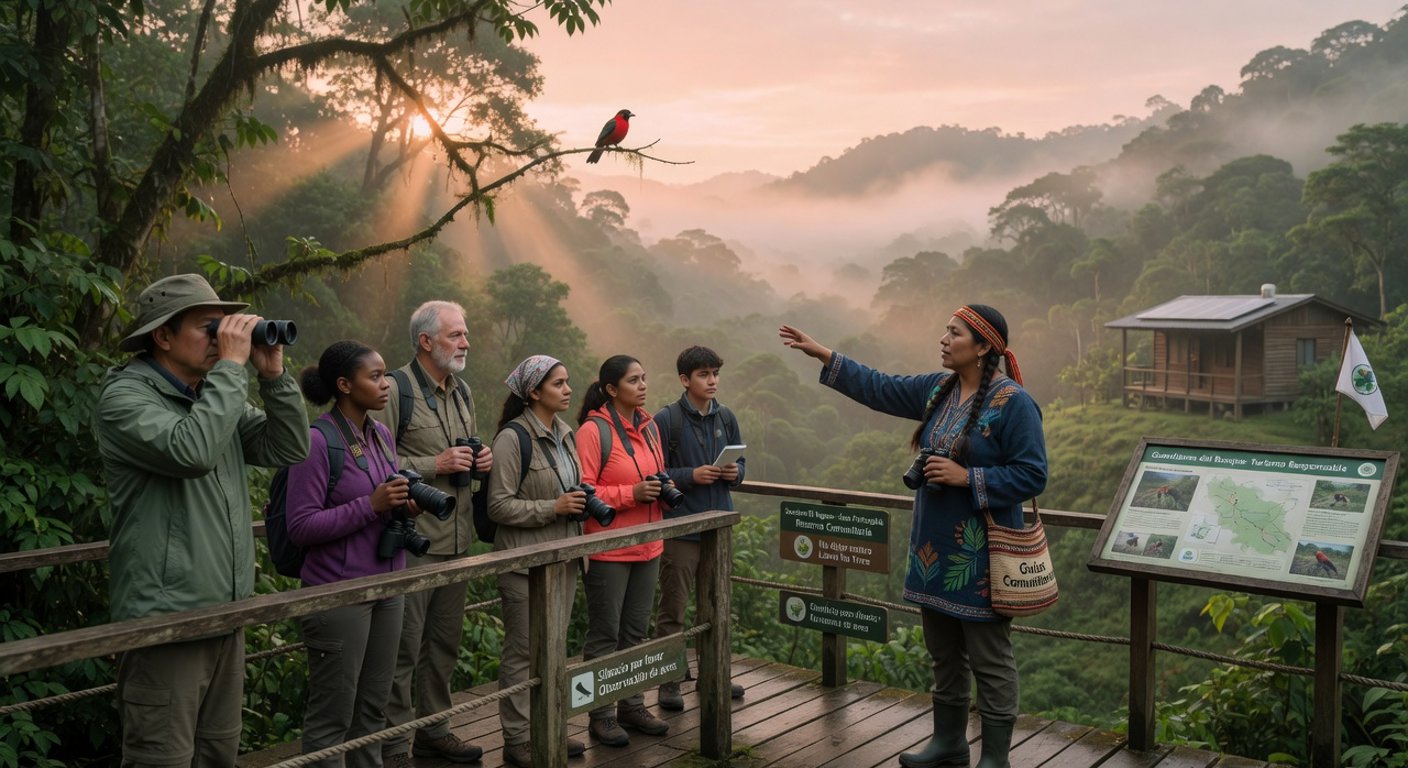
When Tourism Helps Protect Fragile Places
 Travel
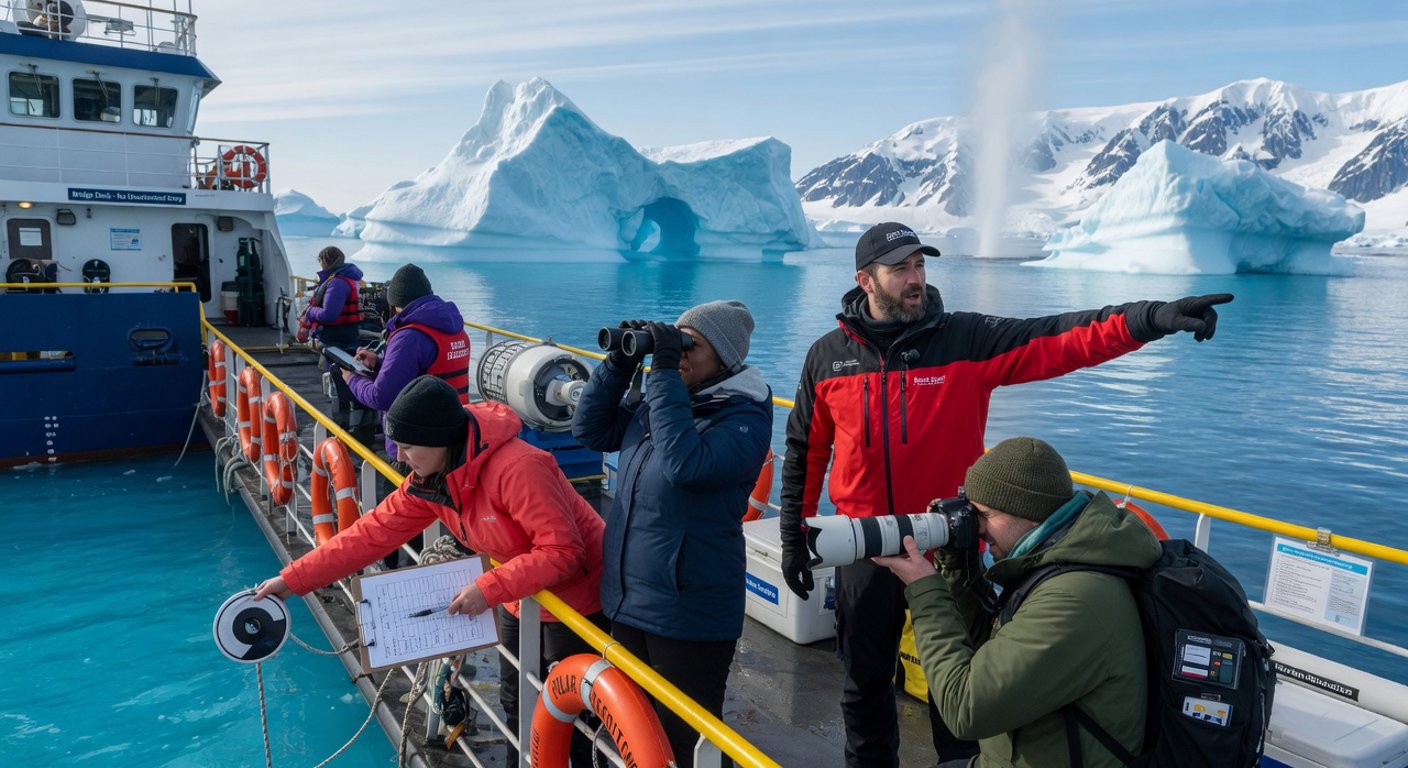
Citizen Science Trips That Welcome Travelers
 Travel
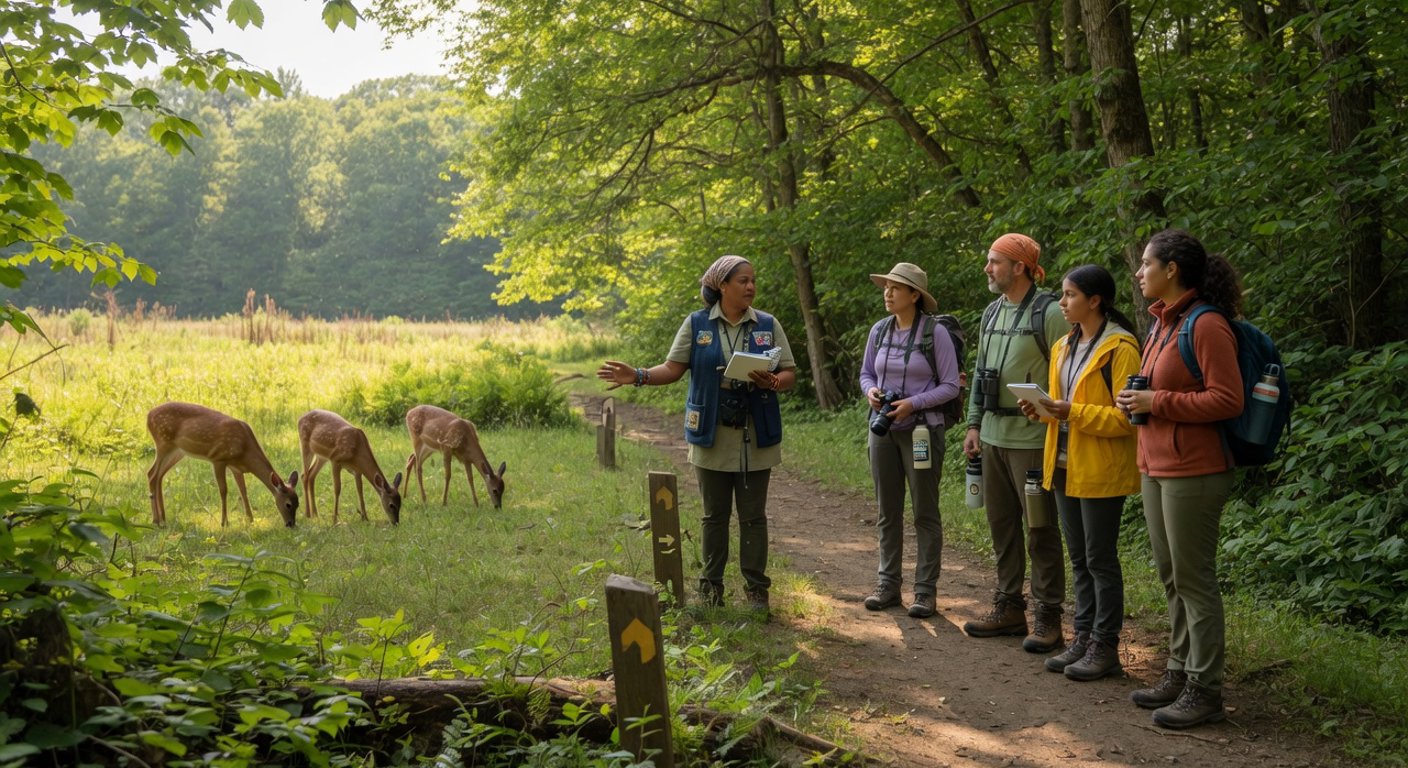
How to Choose Responsible Nature Experiences