How to Prepare for Your First Multi-Day Trek
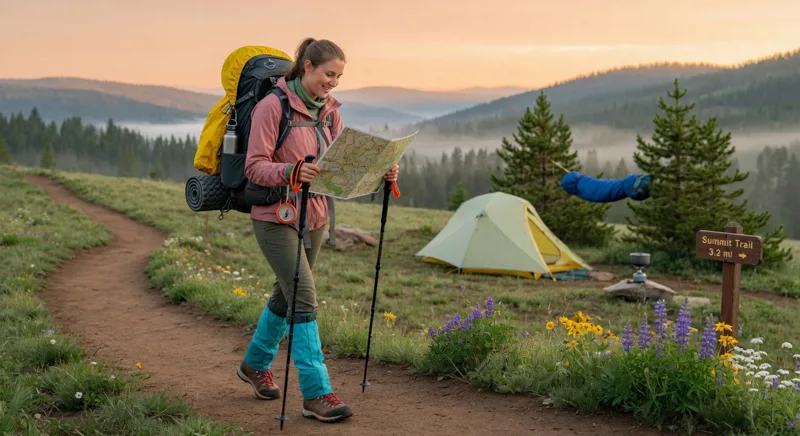
Learning how to prepare for your first multi-day trek can feel overwhelming, but the right plan makes it manageable. With sensible training, a realistic route, essential gear, and a little practice, you can enjoy your first backpacking adventure with greater confidence and fewer surprises.
Choose a Beginner-Friendly Trek
Your first multi-day hike should challenge you without pushing you beyond your limits. Start with a well-marked trail close to home, ideally with reliable water sources, established campsites, and easy exit points. A one- or two-night backpacking trip is often a better introduction than a remote expedition.
Before committing, research:
- Total distance and elevation gain
- Daily mileage and campsite locations
- Trail conditions, permits, and seasonal closures
- Water availability and treatment requirements
- Weather, wildlife, insects, and emergency access
Study a topographic map and understand the route before leaving. A GPS app is useful, but carry a physical map and compass—and learn how to use both. [4][5]
Build Fitness Before Your Backpacking Trip
You do not need to be an elite athlete, but your legs, feet, shoulders, and cardiovascular system should be ready for consecutive days of walking. Begin training at least four to eight weeks before your trek, depending on your current fitness.
A Simple Trekking Training Plan
- Walk regularly, starting with 30 to 60 minutes on varied terrain.
- Add hills, stairs, or an incline treadmill to prepare for elevation gain.
- Complete longer weekend hikes as your trip approaches.
- Carry a gradually heavier backpack during training walks.
- Schedule back-to-back hiking days to practice recovering overnight.
- Strengthen your legs and core with squats, lunges, step-ups, and planks.
Increase distance and pack weight gradually. Sudden increases are a common cause of blisters, knee pain, and muscle strain. Include rest days, stretch gently after walks, and stop training if pain becomes sharp or persistent.
Test Your Backpacking Gear
Never wear unfamiliar boots or use untested equipment for the first time deep in the backcountry. Take your complete setup on several practice hikes, including the clothing, sleeping system, stove, water filter, and backpack you plan to use.
Your multi-day trekking checklist should include:
- Comfortable, broken-in hiking footwear and moisture-wicking socks
- Backpack with a suitable hip belt and rain cover or liner
- Sleeping bag or quilt rated for expected temperatures
- Lightweight tent, tarp, or other shelter
- Sleeping pad for insulation and comfort
- Layered clothing, including a warm layer and rain jacket
- Headlamp with spare batteries or a fully charged backup
- First-aid and blister-care supplies
- Map, compass, GPS device, and power bank
- Water bottles or reservoir and a reliable water filter
- Toiletries, sunscreen, insect repellent, and personal medication
- Repair tape, cord, multitool, and emergency shelter
Lay everything out at home before packing. Removing duplicate clothing, oversized toiletries, and “just in case” items can significantly reduce your base weight. The Ten Essentials—navigation, sun protection, insulation, illumination, first aid, fire, repair supplies, nutrition, hydration, and emergency shelter—provide a useful safety framework. [2][5]
Plan Food and Water Carefully
Backpacking food should be lightweight, calorie-dense, easy to prepare, and familiar to your stomach. Good options include oatmeal, tortillas, trail mix, nut butter, dried fruit, jerky, instant rice, dehydrated meals, and energy bars.
Plan enough food for each day plus an emergency reserve. A common planning range is approximately 2,500 to 4,500 calories per person per day, or about 1.5 to 2.5 pounds of dry food, depending on body size, effort, climate, and personal needs. [4]
Check every water source on your route and carry treatment equipment even when water looks clear. Filters, purification tablets, or boiling can reduce the risk of waterborne illness. Drink consistently rather than waiting until you feel thirsty, and consider electrolytes during hot or especially strenuous hikes.
Prepare for Weather and Changing Conditions
Mountain and wilderness weather can change quickly. Check the forecast immediately before departure and again at the trailhead. Pack for the coldest, wettest conditions you could reasonably encounter—not only the forecasted daytime temperature.
Use a layering system:
- Base layer: Moves sweat away from your skin.
- Insulating layer: Retains warmth when temperatures fall.
- Shell layer: Protects against wind and rain.
Keep essential clothing dry in waterproof bags. If hiking at altitude, ascend gradually, slow your pace, and watch for symptoms such as unusual headache, nausea, dizziness, or shortness of breath. Severe symptoms require stopping and descending.
Create a Safety and Communication Plan
Share your route, campsite plan, vehicle details, and expected return time with a trusted person. Arrange a check-in procedure and explain what to do if you miss it. Cell service may be unreliable, so consider an emergency communication device for remote routes.
Before setting out, learn the area’s rules for camping, fires, food storage, sanitation, dogs, and permits. Know how to respond to common hazards such as stream crossings, lightning, heat, cold, and wildlife. Avoid crossing fast-rising water, and do not hesitate to turn around when conditions become unsafe. [1][3][6]
Protect Your Feet and Manage Your Pace
Foot care can determine whether a trek feels enjoyable or miserable. Keep feet as dry as possible, change socks when they become damp, and treat hot spots immediately with blister tape or moleskin. Do not wait for a small irritation to become a painful blister.
Start each day slowly and maintain a pace that allows conversation. Take short, regular breaks instead of exhausting yourself early. Eat and drink throughout the day, and remember that conserving energy is more important than reaching camp quickly.
Final Preparation Checklist
- Complete at least one overnight practice trip.
- Confirm permits, reservations, transportation, and trail closures.
- Download offline maps and pack a paper backup.
- Check weather and adjust your clothing or route if necessary.
- Test your stove, filter, headlamp, and shelter.
- Pack an extra day of food for unexpected delays. [1][5]
- Leave your itinerary with someone at home.
Preparing for your first multi-day trek is less about buying the most expensive equipment and more about making thoughtful decisions. Choose a realistic route, train gradually, test your gear, plan food and water, and build in safety margins. With those foundations in place, you can focus on the best part of backpacking: moving at your own pace through wild places and waking up somewhere new each morning.
References
You May Also Like
 Travel
When Tourism Helps Protect Fragile Places
 Travel
Citizen Science Trips That Welcome Travelers
 Travel
How to Choose Responsible Nature Experiences