How Local Guides Transform a Journey
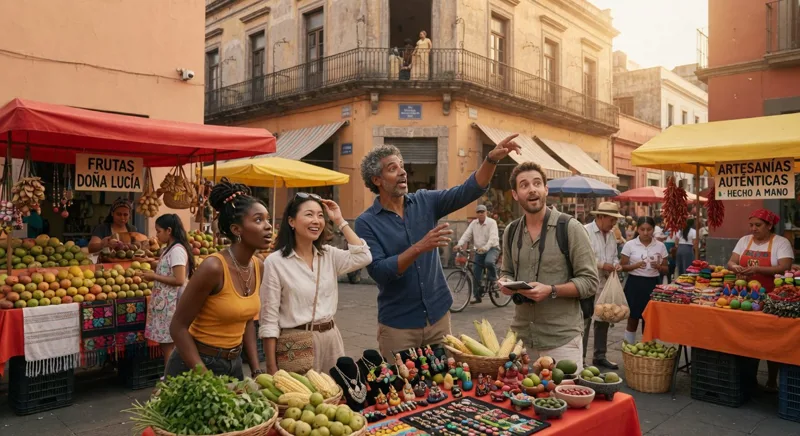
How local guides transform a journey goes far beyond showing visitors where to go. With cultural insight, practical knowledge, and personal stories, they turn an ordinary trip into a meaningful travel experience filled with connection, confidence, and discovery.
What Makes a Local Guide So Valuable?
Travelers can find landmarks, restaurants, and attractions online in seconds. Yet maps and review sites rarely explain why a place matters, how locals experience it, or which small details are easy to miss.
A local guide adds context. They may explain the history behind an old building, introduce a family-run restaurant, translate a conversation, or point out a tradition that visitors would otherwise overlook. This knowledge creates a deeper understanding of the destination rather than a checklist of sightseeing stops.
Research on tourism also links guides with visitor satisfaction, stronger host-guest relationships, responsible behavior, and local economic development.[3] That makes a guided experience valuable for both travelers and the communities they visit.
How Local Guides Transform a Journey
1. They Reveal Authentic Local Experiences
One of the biggest benefits of hiring a local guide is access to experiences beyond the usual tourist attractions. A guide may recommend a neighborhood market, a seasonal food, an independent craft workshop, or a quiet viewpoint known mainly to residents.
This does not mean avoiding every famous attraction. Instead, a local guide helps place popular sites within a broader itinerary. After visiting a landmark, travelers might learn about its role in local history, hear an underrepresented story, or discover nearby businesses that reflect everyday life.
The result is a more personal and authentic travel experience—one shaped by curiosity rather than crowds alone.
2. They Add Meaning Through Storytelling
Facts become more memorable when they are connected to people and places. Skilled guides use storytelling to explain historical events, cultural traditions, architecture, food, and family life in a way that feels relevant.
A museum visit can become a conversation about identity. A walking tour can reveal how a neighborhood changed over generations. A cooking experience can explain why certain ingredients matter during festivals or family celebrations.
Good storytelling also encourages cultural sensitivity. Visitors gain a clearer understanding of local customs, social expectations, and the difference between observing a culture respectfully and treating it as entertainment.
3. They Make Travel Safer and Easier
Local knowledge is especially useful in unfamiliar or remote destinations. Guides often understand changing weather conditions, difficult terrain, transportation patterns, local regulations, and common travel risks.
They can help travelers:
- Choose appropriate routes and transportation
- Understand local etiquette and dress expectations
- Avoid unsafe areas or poorly timed activities
- Communicate during language barriers
- Respond calmly when plans change
A guide cannot eliminate every risk, but informed planning can reduce confusion and help travelers make better decisions. This is particularly helpful for solo travelers, families, older adults, and visitors exploring rural or culturally sensitive areas.
4. They Support Local Businesses
Choosing a local guide can direct tourism spending toward the people who live in the destination. Guides often recommend independent restaurants, locally owned hotels, artisans, drivers, farmers, and community-based activities.
When visitors spend money with these businesses, more of the economic benefit can remain within the community. Sustainable tourism research highlights this connection: local guides can help travelers choose businesses and activities that support the regional economy while reducing pressure on vulnerable destinations.[1][2]
For travelers, this can also lead to better interactions. A meal at a family-owned restaurant or a visit to a neighborhood workshop often creates a stronger sense of place than a standardized experience designed for mass tourism.
5. They Encourage Responsible Tourism
Responsible travel involves more than reducing plastic use. It also means respecting residents, protecting cultural heritage, avoiding harmful wildlife interactions, and understanding how visitor behavior affects a destination.
Local guides can explain practical choices, such as:
- When photography is inappropriate
- How to visit sacred or historic sites respectfully
- Which wildlife experiences avoid exploitation
- How to reduce waste and conserve natural resources
- Why certain areas need visitor limits
Because guides communicate directly with travelers, they can influence behavior in real time. Academic research identifies this role as important for conflict prevention, environmental awareness, wildlife protection, and regional sustainability.[3][4]
Types of Local Guides to Consider
| Guide type | Best for |
|---|---|
| City guide | History, architecture, food, neighborhoods, and public transportation |
| Nature guide | Hiking, wildlife, conservation, and outdoor safety |
| Cultural guide | Traditions, crafts, festivals, religion, and community life |
| Food guide | Local cuisine, markets, cooking traditions, and regional specialties |
| Adventure guide | Remote travel, water activities, trekking, and technical routes |
How to Choose the Right Local Guide
Start by considering the kind of experience you want. A history enthusiast may prefer a heritage specialist, while a family might need a flexible guide who understands child-friendly activities. Outdoor travelers should look for relevant training, local terrain knowledge, and clear safety procedures.
Before booking, consider these questions:
- Does the guide have experience with your destination and activity?
- Can they explain how the experience supports local communities?
- Are the itinerary, meeting point, duration, and inclusions clear?
- Do reviews mention communication, flexibility, and cultural knowledge?
- Does the guide follow local rules and responsible tourism practices?
Licensed or professionally trained guides may be especially appropriate for protected areas, historical sites, technical excursions, and destinations with specific guiding regulations.
Making the Most of a Guided Experience
Bring questions rather than expecting a rehearsed speech. Ask about local customs, overlooked neighborhoods, seasonal events, and the realities of daily life. Remain open to changing plans when weather, crowds, or community needs make another option more suitable.
Respect boundaries, request permission before photographing people, and remember that a guide is sharing a place they call home. The most rewarding experiences are built on mutual curiosity and respect.
Conclusion
How local guides transform a journey is ultimately about connection. They add context to landmarks, confidence to unfamiliar situations, income to local businesses, and respect to cross-cultural encounters. Whether exploring a major city, remote landscape, historic village, or local food market, the right guide can turn sightseeing into genuine understanding—and make the journey more memorable long after the trip ends.
References
You May Also Like
 Travel
When Tourism Helps Protect Fragile Places
 Travel
Citizen Science Trips That Welcome Travelers
 Travel
How to Choose Responsible Nature Experiences