Traveling Through Living Cultural Landscapes
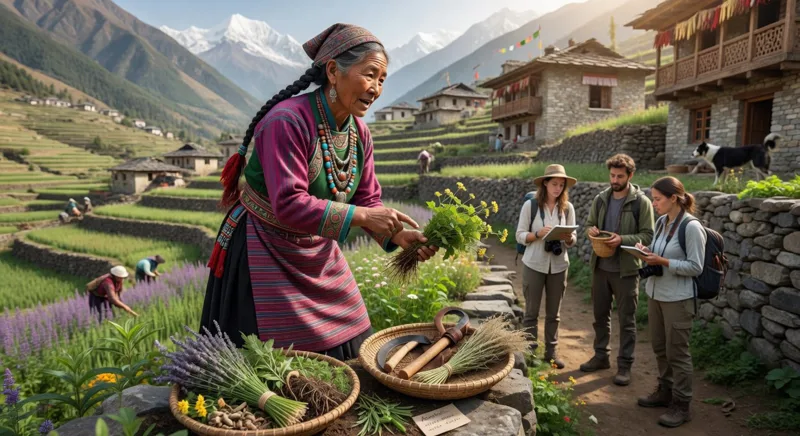
Traveling through living cultural landscapes transforms a trip from simple sightseeing into a deeper connection with people, place, history, and everyday life. From ancestral farming terraces to historic neighborhoods and Indigenous territories, these destinations invite travelers to experience culture as something active, evolving, and shared.
What Is a Living Cultural Landscape?
A living cultural landscape is a place shaped by the long relationship between people and their environment. It may include natural features, traditional architecture, sacred sites, agricultural systems, local foodways, crafts, languages, and community traditions.
Unlike a museum exhibit, a living cultural landscape is not frozen in the past. People continue to live, work, celebrate, worship, grow food, and pass knowledge from one generation to the next. UNESCO describes cultural landscapes as places that reveal the diverse interactions between humans and their environment while sustaining living traditional cultures.[3]
Examples can include:
- Terraced mountain farms maintained through generations
- Historic villages shaped by traditional building methods
- Coastal communities connected to fishing and maritime heritage
- Indigenous territories with continuing cultural and spiritual importance
- Historic urban districts where residents still practice local customs
- Rural regions known for traditional cuisine, textiles, music, or agriculture
Why Travel Through Cultural Landscapes?
Traditional tourism often focuses on landmarks: take a photograph, read a plaque, and move on. Cultural landscape travel encourages a slower and more respectful approach. It helps visitors understand how geography, history, identity, and daily routines influence one another.
This form of cultural tourism can also make travel more personal. A conversation with a local guide, a visit to a family-run workshop, or a shared meal may reveal more about a destination than a crowded attraction ever could.
UN Tourism defines cultural tourism broadly, including tangible and intangible experiences such as architecture, culinary heritage, music, beliefs, traditions, lifestyles, and creative industries.[2] That broader view makes room for genuine encounters rather than limiting culture to monuments.
How to Experience a Living Cultural Landscape
1. Choose Community-Based Experiences
Look for experiences designed or led by local residents, cultural organizations, Indigenous communities, or neighborhood associations. Walking tours, farm visits, craft demonstrations, cooking workshops, and storytelling sessions can provide valuable context when communities control how their culture is presented.
Community-based tourism can also help keep tourism income within the destination. Before booking, check whether the experience clearly identifies its local partners, explains where fees go, and respects community rules.
2. Learn the Story Behind the Place
Research the landscape before arriving. Learn the local names for important places, understand basic historical events, and read about current community concerns. This preparation helps visitors avoid treating complex cultural spaces as scenic backdrops.
Pay attention to both the visible and invisible heritage of a destination. A historic building may be easy to notice, while seasonal ceremonies, farming knowledge, oral traditions, and place-based ecological practices may require a local explanation.
3. Travel Slowly
Slow travel is especially valuable in cultural landscapes. Spend several days in one region instead of rushing between attractions. Use public transportation where practical, walk through residential areas respectfully, and visit local markets during ordinary hours rather than only during staged events.
Slower travel gives you time to notice details: how homes are arranged, what people eat, which materials appear in local crafts, and how residents adapt tradition to contemporary life.
4. Follow Cultural Protocols
Every community has different expectations. Some sites may be sacred, photography may be restricted, or visitors may need permission before entering private land. Follow signs and instructions from local guides without treating rules as obstacles.
- Ask before photographing people, ceremonies, homes, or religious spaces.
- Dress appropriately for sacred or community settings.
- Do not remove plants, stones, artifacts, or other materials.
- Use local place names when communities request them.
- Avoid touching objects or entering areas marked as restricted.
- Listen carefully instead of expecting residents to perform on demand.
These habits are particularly important when visiting Indigenous cultural landscapes. Responsible tourism guidance emphasizes community leadership, meaningful consultation, respect for cultural protocols, and fair distribution of tourism benefits.[4][5]
Responsible Photography and Storytelling
Photography can preserve memories, but it can also reduce people and traditions to visual souvenirs. Ask permission, especially when photographing individuals, children, ceremonies, or workspaces. Consider whether the image tells a respectful story or simply satisfies personal curiosity.
When sharing travel content online, add context and avoid stereotypes. Do not describe a living culture as “untouched,” “primitive,” or trapped in the past. Communities are contemporary, diverse, and constantly changing. Responsible storytelling recognizes both heritage and modern life.
Planning a Sustainable Cultural Trip
Good planning helps protect the places you hope to experience. Look for visitor limits, seasonal closures, local conservation fees, and transportation guidance. Choose locally owned accommodation when possible and purchase crafts directly from verified makers rather than buying mass-produced imitations.
Heritage organizations increasingly recommend management plans that consider visitor numbers, ecological limits, local access, biodiversity, and community well-being before promoting destinations to larger audiences.[1] In other words, the most popular cultural site is not always the most responsible choice.
- Research the community and its cultural protocols.
- Book local guides or community-led experiences.
- Travel during less crowded seasons when appropriate.
- Carry reusable supplies and reduce waste.
- Pay fair prices for local services and handmade goods.
- Leave sacred, residential, and environmentally sensitive areas undisturbed.
Travel With Curiosity and Care
Traveling through living cultural landscapes is ultimately about changing the way you look. A destination is not merely a collection of attractions; it is a living home shaped by memory, creativity, work, belief, and adaptation.
When visitors slow down, listen respectfully, support local leadership, and recognize culture as something alive, travel becomes more meaningful for everyone. The most rewarding journey may be the one that leaves you with fewer assumptions, richer understanding, and a deeper respect for the people and places you encountered.
You May Also Like
 Travel
When Tourism Helps Protect Fragile Places
 Travel
Citizen Science Trips That Welcome Travelers
 Travel
How to Choose Responsible Nature Experiences