New Year's Eve By Food Across The Globe

Do you have any traditions to ring in the New Year? Plenty do, with the occasion big enough to warrant doing certain things or eating certain foods on the day. That’s the case on a global scale as well, with people engaging in all sorts of activities to celebrate the start of a new year. Some of the stuff they do, though, may raise a few eyebrows.
That’s especially the case with the food that’s quite commonplace on New Year’s Day in various parts of the world. From grapes in Spain to oliebollen in the Netherlands, there are all sorts of interesting customs that come into play on this particular day, which is why the New Year’s eve by food across the globe can take us on such an adventure.
Various countries have their version of the King cake
Plenty of Americans - particularly in the South - are familiar with the tradition of the King cake, which is enjoyed on Mardi Gras. However, plenty of countries around the world have their own version of this, a lot of which are eaten around New Year’s. In Greece, there’s the Vasilopita, while Mexico has the Rosca de Reyes. You’ve also got the Banitsa in Bulgaria and the Galette des Rois in France. Plenty of these cakes reportedly follow the custom of putting something inside the dessert, which is supposed to bring good fortune to whoever finds it.
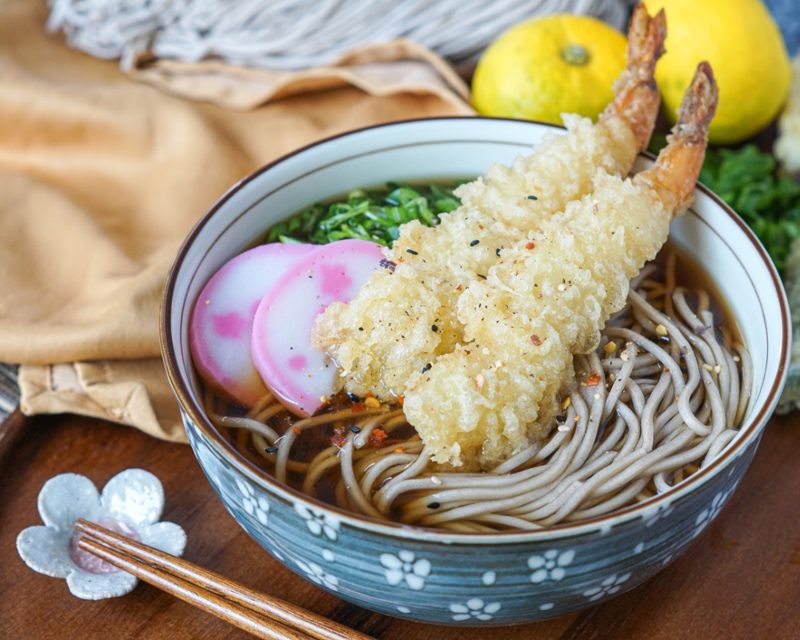
Toshikoshi soba has apparently been enjoyed in Japan since the 17th century
Some of these food traditions stem back centuries, such as the custom of eating buckwheat soba noodles on New Year’s Eve in Japan. A meal of toshikoshi soba is apparently enjoyed as a means of saying goodbye to the year just gone and welcoming the new one appropriately. It’s something the Japanese have reportedly been doing since the 17th century, as these noodles are believed to represent prosperity and longevity. It’s also allegedly common for people to pound mochi rice cakes before New Year’s and then pinch off pieces for buns in a practice known as mochitsuki.
People of Spain apparently like to eat 12 grapes at midnight
Grapes aren’t something we typically think of as a symbolic food. Many of us eat them throughout the year, regardless of whether it’s a special occasion or not. In Spain, though, it’s apparently quite common to eat grapes at midnight on NYE. The tradition reportedly involves consuming one grape every time the clock bell in Puerta del Sol tolls, meaning 12 are eaten in total. This has reportedly been a thing since the 20th century when grape producers needed to do something with a bumper crop. Well, it’s certainly a healthy way to ring in the new year.
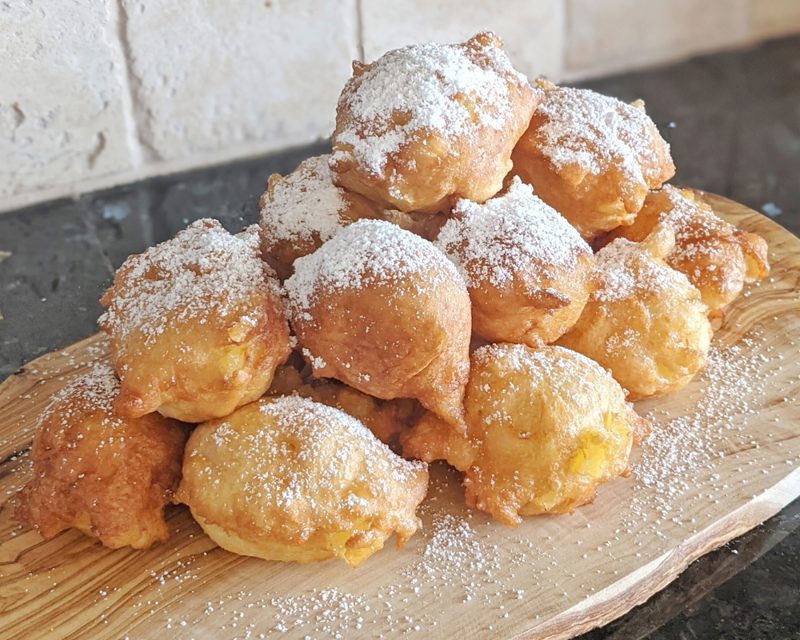
Fried dough balls called oliebollen are common in the Netherlands on New Year’s Eve
One food that you’ll tend to see more around New Year’s Eve than at any other time of the year are oliebollen. These are basically just fried balls of dough that contain raisins and currants. They’re small, delicious snacks that are effectively like donut dumplings, with the dusting of powdered sugar on top making them quite a sweet treat. If you’re in the Netherlands around this time of year, you can expect to see plenty of vendors selling oliebollen at oliebollenkramms, which are temporary shacks specializing in the food.
Cotechino con lenticchie and chiacchiere form an Italian feast for New Year’s
Italy is seemingly all about having a feast to celebrate New Year’s Eve. It reportedly starts with cotechino con lenticchie, which is a sausage and lentil stew. The latter is important because it supposedly represents good fortune, with this stew eaten at this time of year to bring good luck over the next 12 months. The main is apparently followed by chiacchiere, which seems to be the Italian version of oliebollen. These are fried balls of dough rolled in sugar and honey, which go well with a certain sparkling beverage. What a way to ring in the new year.

Pickled herring is quite beloved on New Year’s Eve in parts of Europe
A New Year’s tradition that may be on the stranger side is one that you’ll find in places like Scandinavia and Poland. Here, it’s apparently quite common to eat pickled herring at midnight on New Year’s Eve as a way of bringing about prosperity in the months to follow. Some will eat this food with onions, while others will enjoy it with cream sauce. It’s also apparently quite common to have pickled herring with other similar delights at midnight, including pate, meatballs, and other smoked fish. This probably doesn’t sound like an appealing tradition if you don’t enjoy seafood.
While some of these food traditions might seem unusual, when you’ve lived with these customs all your life, the thought of not having them probably seems just as strange. While we might not think to celebrate with these foods whenever the new year comes around, we love that others out there have a special way to commemorate the occasion. Perhaps we should give one of these traditions a try to welcome 2024.
You May Also Like
 Travel
When Tourism Helps Protect Fragile Places
 Travel
Citizen Science Trips That Welcome Travelers
 Travel
How to Choose Responsible Nature Experiences