A Complete Guide To Visiting Virunga National Park

Almost a century ago now, Virunga National Park was founded in the Democratic Republic of the Congo. In the years since, it's become one of the most popular places in all of Africa, thanks to the incredible mix of wildlife and habitats that exist here. From swamps and rivers to volcanoes and snowfields, the range of terrain is unreal, as are the 1,000+ animals that reportedly live throughout the park.
If you're considering a vacation in the Democratic Republic of the Congo, a trip to Virunga National Park should be at the top of your list. However, if you do plan on going there, it's probably worth knowing what to expect from the experience first. From things to do to places to stay, we've compiled a complete guide to visiting Virunga National Park so you can travel there in safe hands.
Virunga National Park offers several treks for the most incredible sightseeing opportunities
The primary things to do in Virunga National Park revolve around seeing animals and walking. You'll be on your feet for a lot of the day if you want to see some of the park's most incredible residents in their local habitats. However, it's absolutely worth the effort. Not only are there apparently over 1,000 different species here, but the place is also reportedly home to one-third of the remaining mountain gorillas in the world. If you wish to see them, you can go on one of the Gorilla treks, where armed rangers will take you to see them in their habitats. This can be quite a hike, as can the Nyiragongo volcano trek, where you ascend around four miles to the summit of an active stratovolcano. It's around four to five hours just to get there, but the sights and animals you'll see throughout the journey are well worth it.
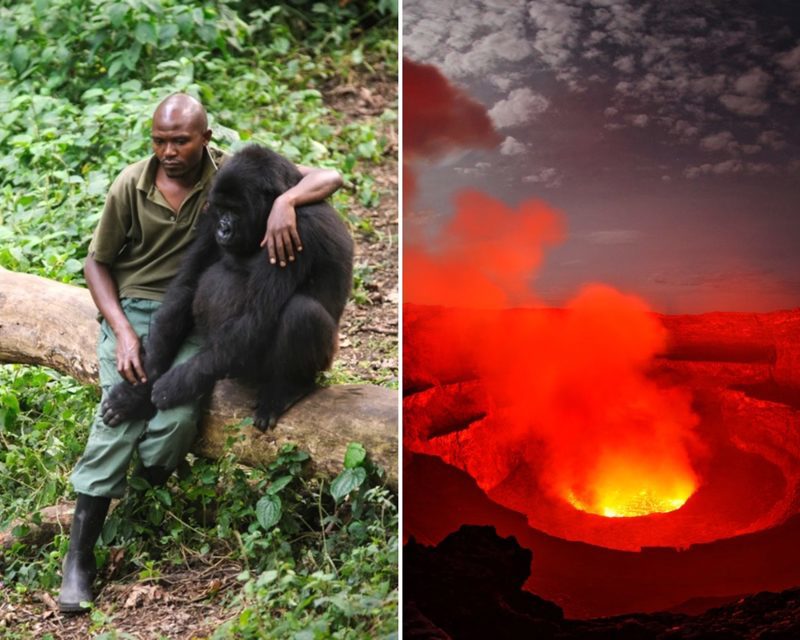
The park has several spots where visitors can spend the night
If you're going to visit Virunga National Park, it's generally a good idea to stay somewhere on-site. While camping isn't allowed here, there are several accommodation options available that definitely don't disappoint. You have Mikeno Lodge, which is at the park headquarters in Rumangabo and includes 12 cabins with soaking tubs, flushable toilets, and fireplaces. There's also a restaurant and bar for food and drink, along with the most stunning views. Then, you've got Kibumba Tented Camp, which boasts 18 luxury tents on Mount Mikeno that all have en-suite bathrooms. You can shower in heated water before enjoying great food at the lodge's dining room. Finally, there's Tchegera Tented Camp, which is a smaller location at Lake Kivu. You can stay in one of six tents which have their own bathrooms, solar electricity, and excellent opportunities for water-based activities like kayaking and snorkeling.
Rebel groups in the area can make this a dangerous place
While Virunga National Park is a beautiful part of the park that's home to incredible sights and animals, we can't overlook that it's also quite a dangerous place to visit. Plenty of rebel groups are active around the area, which has resulted in quite a few confrontations over the years. Since the 1990s, several hundred rangers have reportedly lost their lives, with the park even being closed at times due to the risk of violence. Of course, those working at Virunga National Park do their utmost to keep visitors safe, with the rebel groups usually targeting rangers rather than tourists. So the chances are that you won't run into any danger during your visit. However, it's essential to understand the situation before you travel there.
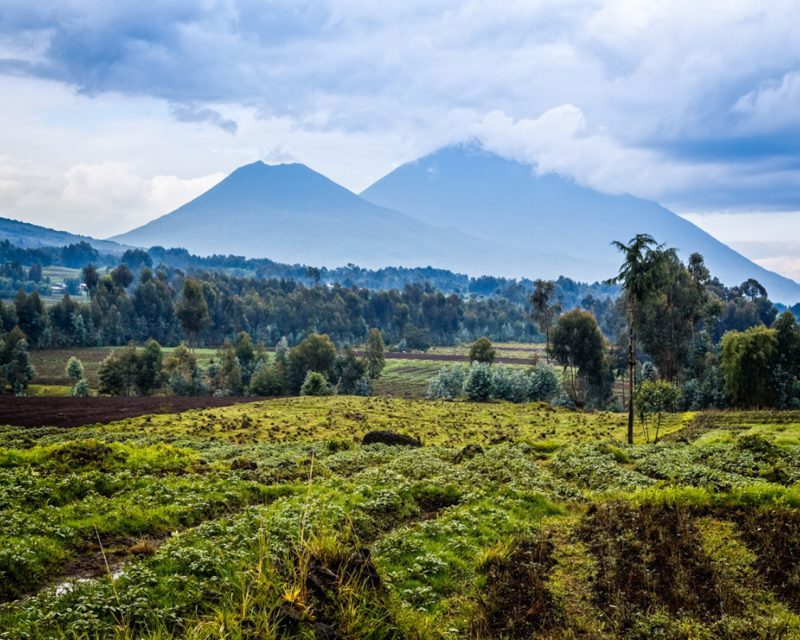
Take note of the climate, weather, health risks, and financial expectations
Before you book a trip to Virunga National Park, there are a few other things worth noting. In terms of temperature, it tends to average between 73 to 82 degrees due to proximity to the equator. The higher up you go, the lower the temperature gets, with Mount Nyiragongo's summit often dropping below freezing. If you want to avoid the rainy seasons, don't visit the park between March and May or September and November, when the weather is typically at its worst. What's more, the CDC recommends you don't travel here unless you're vaccinated against rabies, typhoid, polio, cholera, meningitis, yellow fever, and hepatitis A and B. As for money, a $10 tip per person is recommended each day, with extra cash necessary for things like drinks and trekking essentials. Everything else should be covered in the package that you have to buy to visit Virunga National Park in the first place.
While Virunga National Park may have its dangers, it's also one of the most beautiful places in the world. It offers an unforgettable experience full of incredible views and amazing wildlife, the likes of which you may not encounter anywhere else. As long as you feel safe coming here, we're sure you'll have the most unbelievable time.
You May Also Like
 Travel
When Tourism Helps Protect Fragile Places
 Travel
Citizen Science Trips That Welcome Travelers
 Travel
How to Choose Responsible Nature Experiences